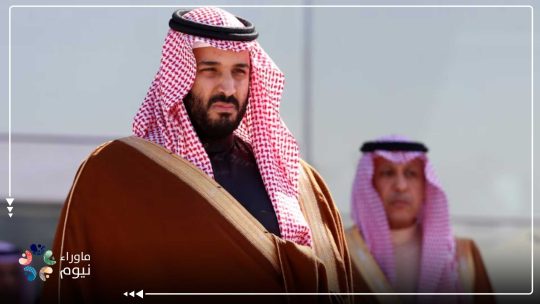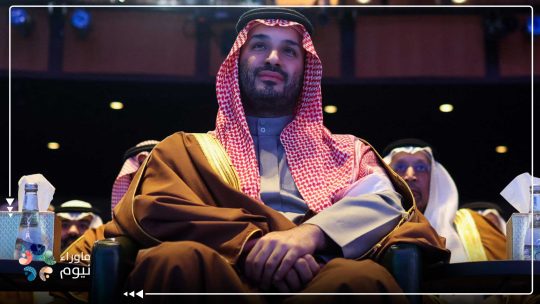

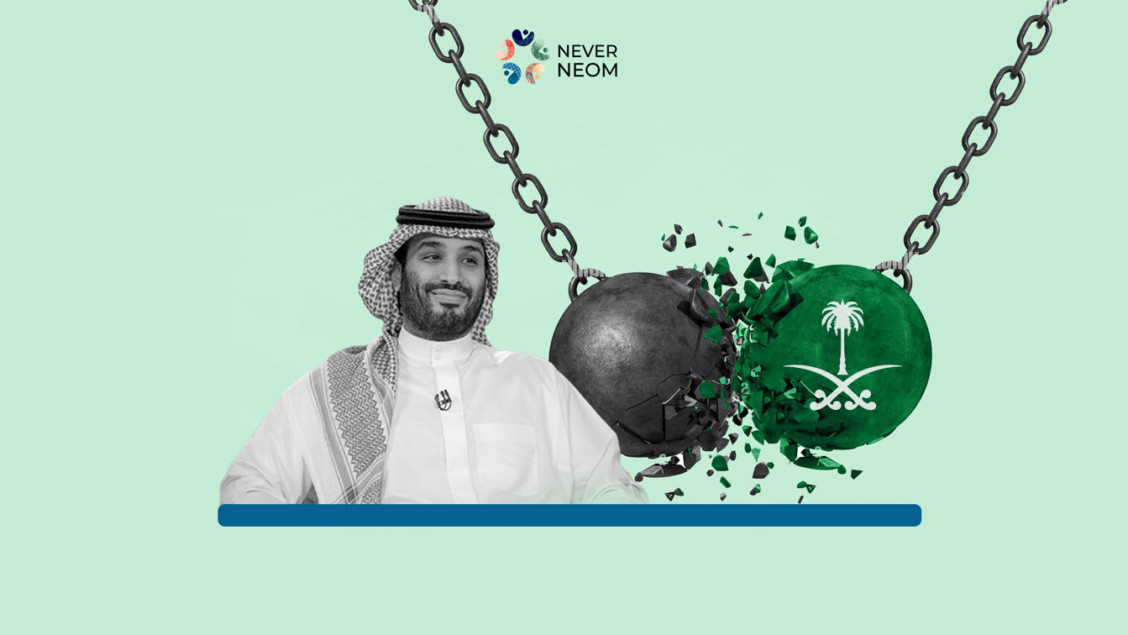
The reckless policies of the Saudi Crown Prince Mohammed bin Salman have pushed Saudi Arabia into external conflicts, including the Russian-Ukrainian conflict, according to international observers.
The repercussions of the Russian Ukrainian war will have an impact on the world in general, and the Middle East and the Gulf in particular. The Gulf States, and Saudi Arabia in particular, has been a strategic partner of the USA for decades, as it has adhered to the “Eisenhower Doctrine,” which is based on providing economic, military and sovereign support to any country that requests it, and this is how the USA penetrated those countries at all levels.
Despite this, Saudi Arabia has entered into a strong partnership with Russia, especially in recent years, when Russian influence was imposed in different countries, including Syria and Libya, while the US power declined. The French newspaper, L’Opinion, described this partnership as “contradictory alliances.”
The Saudi position on the Russian-Ukrainian war is “ideological”, as it has been proven the US may fail its allies at any moment, as happened in Afghanistan, however, Saudi Arabia remains without a suitable alternative, especially after Bin Salman increased its isolation and lost the confidence of other countries’ leaders in him, which left Saudi Arabia without the necessary elements to defend its security and sovereignty without alliances.
Nevertheless, Russia is not a reliable ally either for several reasons, including its dictatorial tendency against its opponents, and making an alliance with it implies antagonism and enmity to the West.
Furthermore, Saudi Arabia’s biggest threat is to its security due to Al-Houthi attacks. While America is relatively committed to protecting Saudi Arabia’s security, weapons were not being provided for the Kingdom, in addition to withdrawing the Patriot system from it, thus forcing it to search for other alternatives, such as the Greek Patriot deals. And while America links the provision of weapons with respecting and not violating human rights, Russia does not require any humanitarian or moral commitments in return.
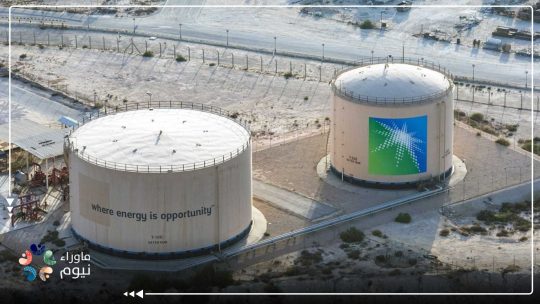
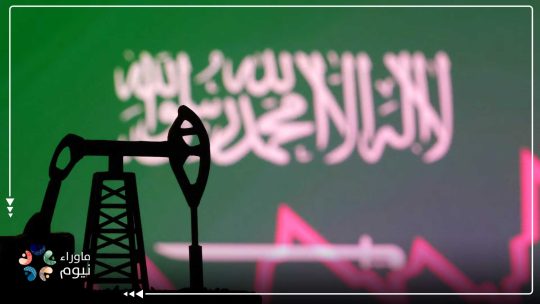
On the economic side, the pressures are increasing with time, as the West demands Saudi Arabia to increase production to achieve price balance, the Wall Street Journal quoted Putin’s warning of what he called “the politicisation of global energy issues.”
International observers believe that bin Salman’s commitment to the OPEC agreement and the same production rate will benefit the Kingdom economically, however its adverse affects that will appear over time, especially with the high cost of transportation and the high prices in a country that depends heavily on foreign exports.
According to CNN, US officials have announced the proximity of the nuclear agreement with Iran, and thus oil prices will be subject to new rules after Iran pumps its oil, but Iran will become stronger in the face of the Saudi decline, as Saudi Arabia has only an oil weapon to maneuver with, while the West and Russia have a lot to adapt it, leaving Saudi Arabia between the hammer and an anvil. As Saudi Arabia tries to adhere to the policy of disassociation and creating a balanced position, it remains obliged to adopt a clearer position in its relations with the conflicting parties, thus involved in external conflicts, due to the reckless policies of Bin Salman.