
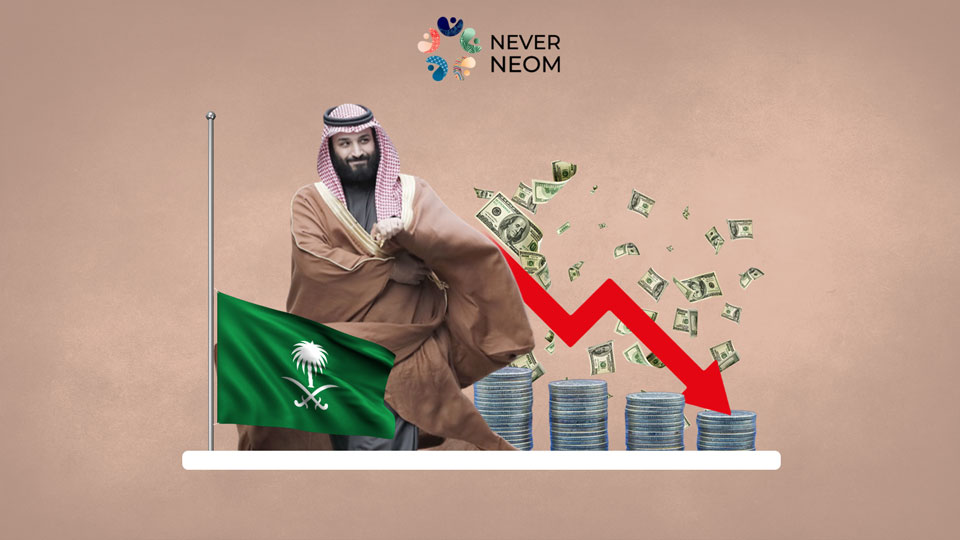
Over the past few years, foreign direct investment in Saudi Arabia has declined to unprecedented levels.
The Saudi Arabian Interbank Offered Rate (SAIBOR) — the interest rate at which contributing banks can borrow funds — climbed above an average of 6% in July. This is higher than the rate during the global financial crisis in 2008, which was below a 1% average in February 2022.
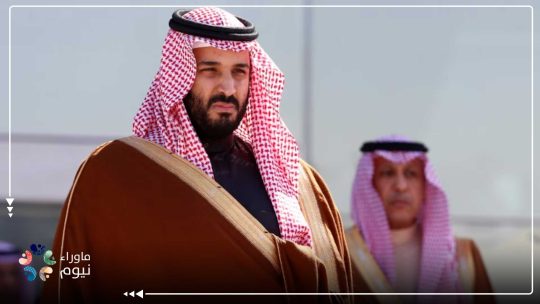
Saudi Arabia is spending hundreds of billions of dollars on a diversification drive championed by Crown Prince Mohammed bin Salman (MBS) and dubbed Vision 2030. While part of that will be funded by oil revenue, the government also needs to attract foreign investment and borrow.
However, experts have warned that the sharp decline in foreign investments by 85% in just one year is a real disaster that proves that foreign investors do not trust the projects launched by MBS due to his poor human rights record at home and abroad.
According to the German Chamber of Commerce and Industry, German exports to Saudi Arabia fell by 5 percent in the first half of 2018.
New foreign direct investment in Saudi Arabia has plunged to a 14-year low, figures released this week by a United Nations body show, a blow to ambitious economic reforms that aim to increase inflows of foreign capital sharply.
MBS imposed new fees and taxes on residents; deeply affecting the local labor market.
Following the Qatar blockade, Saudi hotel revenues declined by more than 40% between 2016 and 2018.
Efforts to attract inward investment have been hampered by the 2017 clampdown on senior business executives and other figures, billed by the authorities as an anti-corruption drive, including Alwaleed bin Talal.
Foreign companies are scaling back their operations in Saudi Arabia as the business environment has become more hostile in the country.
General Electric Co., Uber Technologies Inc. and other firms were hit by surprise tax assessments that often totaled tens of millions of dollars. Construction company Bechtel Corp. sent some contractors home while it attempted to collect on over $1 billion in unpaid bills.
Meanwhile, Bristol-Myers Squibb Co. BMY 0.51%, Gilead Sciences Inc. GILD -0.15% and other drugmakers have complained unsuccessfully for years that their intellectual property was being stolen, noted the report.
This has led to foreign investment in Saudi Arabia remaining stubbornly low, with some companies scaling back their operations or delaying promised expansion plans.