

In international politics, alliances are rarely built on affection; they are built on interests. Yet there are moments when the contradictions within those alliances become too striking to explain through pragmatism alone. The relationship between Saudi Crown Prince Mohammed bin Salman and U.S. Senator Lindsey Graham offers one of those moments.
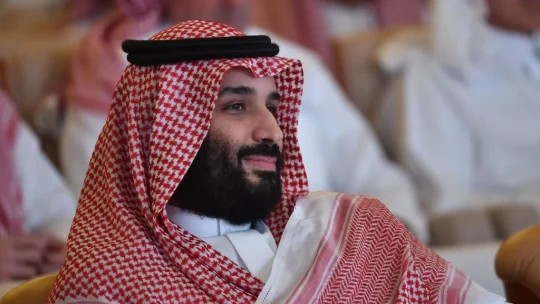
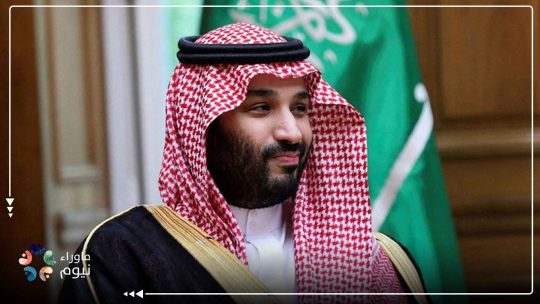
Graham is a politician who has repeatedly criticized Saudi Arabia in public, applied pressure on its leadership, and at times even questioned whether Washington should continue its security commitments to the kingdom. Yet despite these confrontational remarks, the senator continues to receive a warm reception in Riyadh. The Saudi crown prince has met him multiple times in recent years, in meetings that project an image of cordiality and personal familiarity.
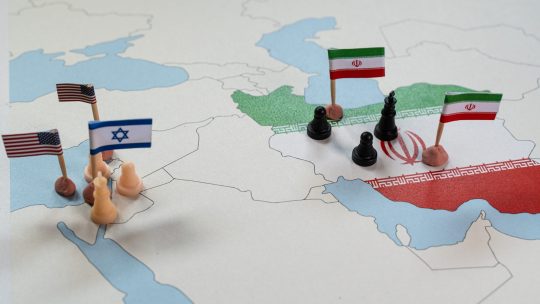
The contradiction resurfaced recently following Graham’s latest statements suggesting that the United States should reconsider aspects of its defense relationship with Saudi Arabia after the kingdom refused to join a military confrontation with Iran alongside Washington and Israel. His remarks sparked criticism among Saudi commentators and social media figures, some of whom mocked what they described as Graham’s constantly shifting tone toward the kingdom.
Behind the public debate, however, lies a more complicated reality. Despite the senator’s frequent criticism and political pressure, he remains a welcomed visitor in Saudi Arabia. The crown prince has met him repeatedly in meetings that appear relaxed and friendly.
This dynamic raises broader questions about the balance Riyadh seeks to maintain within the power centers of Washington.
A Politician Who Threatens but Remains a Partner
Lindsey Graham is not merely another member of the U.S. Senate. He is widely considered one of the most influential voices on foreign policy within Congress, particularly on Middle Eastern affairs.
The senator has long been known for his hawkish stance toward Iran. In recent months he has been among the most vocal advocates of stronger military action against Tehran, urging the U.S. administration to authorize potential strikes.
Within that context, Graham did not hesitate to send pointed messages to Washington’s regional partners, including Saudi Arabia. He publicly questioned whether the United States should uphold a defense agreement with the kingdom if Riyadh refuses to participate in military operations against Iran.
Such statements carried an unmistakable tone of pressure, linking Washington’s security commitments to Saudi Arabia with the kingdom’s willingness to join a potential war.
In most diplomatic contexts, remarks of this nature would likely provoke serious tension between a country and a foreign politician. Yet in the Saudi case, the situation appears different. Graham’s sharp rhetoric has not prevented continued meetings and visible cordiality between the senator and the crown prince.
Personal Relationships as Political Leverage in Washington
To understand this paradox, one must consider the structure of American political power. Decision-making in Washington does not reside exclusively in the White House. Congress, think tanks, lobbying networks, and influential senators play critical roles in shaping U.S. foreign policy.
For this reason, countries allied with the United States often cultivate personal relationships with influential members of Congress in order to safeguard their strategic interests.
Mohammed bin Salman appears to follow this approach closely. The crown prince has sought to maintain direct ties with prominent figures from both major American political parties.
The repeated meetings between bin Salman and Graham reflect this strategy. The two men have reportedly met at least four times within a three-year period, encounters that suggest a comfortable personal relationship despite their public disagreements.
From Riyadh’s perspective, maintaining access to a powerful senator like Graham — who holds significant influence in Washington’s foreign policy debates — may be a practical way to keep communication channels open with the U.S. Congress.
Yet this strategy carries an obvious contradiction. How can a political figure who publicly pressures and threatens the kingdom still be treated as a valued partner?
A Dual Narrative Between Domestic Messaging and Diplomacy
The reaction inside Saudi media circles highlights a broader duality in political messaging.
On one hand, Saudi commentators and online voices have mocked Graham’s remarks, insisting that the kingdom is under no obligation to participate in a war that does not serve its interests.
On the other hand, the Saudi leadership continues to welcome the American senator in a manner that suggests public disagreements do not significantly affect the personal relationship between the two sides.
This duality may reflect a broader diplomatic balancing act. Saudi Arabia remains deeply dependent on its strategic partnership with the United States as a security guarantor. At the same time, the kingdom is eager to avoid being drawn into a direct regional war.
As a result, Riyadh may feel compelled to maintain pragmatic relationships with influential U.S. political figures — even when their rhetoric is uncomfortable or openly critical.
The Iran Crisis and the Strain on Alliances
The escalating tensions surrounding Iran have exposed the complexity of relations between Washington and its Gulf partners.
While some American policymakers advocate a more aggressive military posture toward Tehran, Gulf states have demonstrated far greater caution about entering a direct conflict.
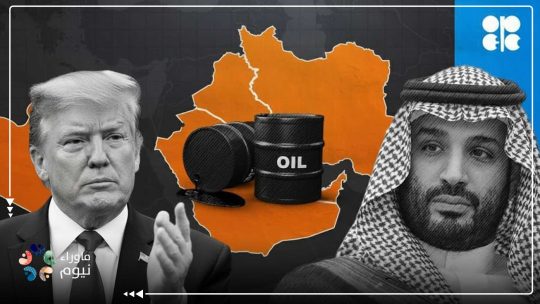
Saudi Arabia in particular understands that any full-scale war with Iran would likely place its oil infrastructure and economic projects directly in the crosshairs of retaliation. The 2019 attacks on Saudi Aramco facilities remain a powerful reminder of how vulnerable the kingdom’s economy can be to even limited strikes.
For that reason, Riyadh has attempted to walk a delicate line: preserving its strategic alliance with the United States while avoiding direct participation in a military confrontation with Iran.
Graham’s statements, however, reveal that some voices within Washington view this cautious approach as insufficient. In their view, allies benefiting from American protection should also be willing to share the burden of military operations.
A Partnership of Interests or a Political Contradiction?
The relationship between Mohammed bin Salman and Lindsey Graham illustrates the layered complexity of international politics in the Middle East.
It combines public criticism with private diplomacy, political pressure with personal rapport, and strategic cooperation with visible disagreement.
To supporters, this dynamic reflects political pragmatism — a calculated effort by Saudi Arabia to maintain influence within Washington’s decision-making circles.
To critics, however, it exposes a striking contradiction: a foreign political figure who openly pressures the kingdom continues to receive a warm welcome in Riyadh.
In the end, international relationships are rarely built on perfect alignment. They are constructed through a web of interests, leverage, and mutual necessity.
But when those relationships involve such visible contradictions, the central question becomes unavoidable:
Is the connection between Riyadh and Graham a genuine strategic partnership — or merely a fragile balance between personal diplomacy and constant political pressure?