

At a time when Saudi officials increasingly emphasize fiscal discipline, project reviews, and the need to prioritize spending amid growing budget deficits and liquidity pressures, new multi-billion-riyal commitments continue to emerge in the sports and entertainment sector.
The latest example is Saudi Arabia’s reported ambition to host a prestigious ATP Masters 1000 tennis tournament, alongside plans for a major tennis complex within the Qiddiya development that would include 30 courts and a 15,000-seat central stadium.
The timing of these announcements has reignited a question that has followed Vision 2030 for years: is the challenge facing Saudi Arabia a shortage of resources, or a question of spending priorities?
While portions of major projects have been delayed, scaled back, or cancelled—particularly within developments such as NEOM—large-scale sports investments continue to move forward, even as government officials and international analysts discuss fiscal pressures and the need for spending restraint.
Austerity Does Not Appear to Apply Equally
Over the past two years, terms such as “efficiency,” “optimization,” and “prioritization” have become increasingly common in official economic messaging.
Facing lower oil revenues, widening fiscal deficits, rising debt levels, and growing financing requirements, Saudi authorities have repeatedly stressed the importance of reviewing expenditures and focusing on essential projects.
Yet the pattern of spending suggests that not all sectors are being treated equally.
While some infrastructure and development initiatives have faced delays or reductions, sports and entertainment projects continue to receive substantial financial support. International sporting events, new venues, global partnerships, and major entertainment developments remain central features of the kingdom’s investment strategy.
This has led critics to question whether fiscal discipline is being applied selectively rather than uniformly across government-backed projects.
If financial pressures require the postponement of some developments, they ask, why do the same pressures appear less relevant when it comes to sports and entertainment spending?
Qiddiya Continues to Expand
Since its launch, Qiddiya has been promoted as Saudi Arabia’s future entertainment capital and a cornerstone of the kingdom’s diversification strategy.
Over time, however, it has also become one of the country’s most resource-intensive megaprojects.
New attractions, sports facilities, entertainment venues, and international partnerships continue to be announced with remarkable frequency. The proposed tennis complex represents only the latest addition to an already extensive list of developments.
Supporters argue that sports infrastructure can contribute to tourism, economic diversification, and international visibility. Critics counter that the scale of spending appears difficult to justify at a moment when financial resources are under increasing pressure and other major projects are being reassessed.
The debate is therefore not about tennis itself, but about the broader allocation of public resources.
Oil Still Pays the Bills
One of the central promises of Vision 2030 was to reduce Saudi Arabia’s dependence on oil revenues.
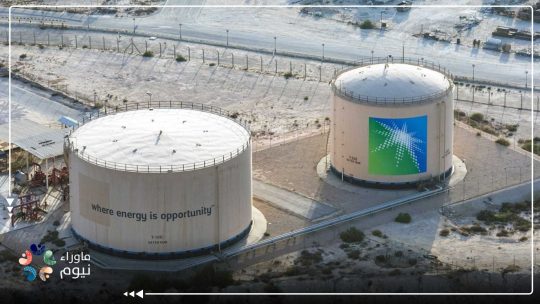
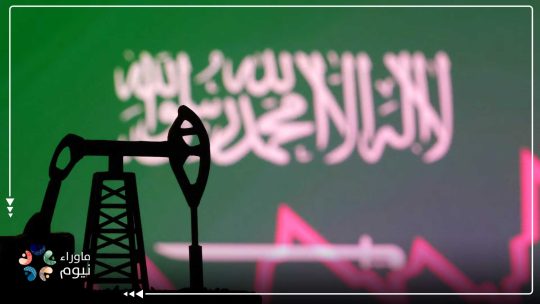
Yet despite years of diversification efforts, hydrocarbons remain the primary source of government income and the financial foundation supporting many of the kingdom’s flagship initiatives.
At the same time, spending on sports continues to expand.
Golf tournaments, boxing events, football investments, esports initiatives, tennis competitions, and entertainment projects have collectively absorbed billions of dollars in recent years.
The question increasingly raised by economists and analysts is whether these investments are generating returns proportionate to their cost.
Many projects continue to rely heavily on government backing or Public Investment Fund financing, with limited evidence that they can operate independently without sustained state support.
For critics, this raises concerns that Saudi Arabia is creating sectors that depend on public funding rather than building self-sustaining industries capable of generating long-term economic value.
The Public Investment Fund Faces Growing Demands
The Public Investment Fund has become the primary financial engine behind many of Saudi Arabia’s most ambitious projects.
However, recent reports have pointed to growing pressure on the fund itself. International financial institutions and analysts have highlighted spending reviews, project restructuring, delays, contract cancellations, and increased efforts to attract external investors and partners.
Despite these pressures, new sports and entertainment commitments continue to emerge.
This creates an apparent contradiction.
If the fund is indeed prioritizing efficiency and cost control, why does it continue to assume new financial obligations worth billions of riyals? And how do these projects fit within a broader strategy of fiscal consolidation?
These questions have become increasingly prominent as concerns about long-term sustainability grow.
Building an Image While Managing Economic Reality
Many observers argue that a significant portion of Saudi Arabia’s sports spending serves a broader objective: strengthening the kingdom’s international profile.
Hosting global tournaments and high-profile sporting events has become a key element of Saudi Arabia’s effort to position itself as a major destination for tourism, entertainment, and international business.
However, image-building alone cannot eliminate underlying economic realities.
Investors examine fiscal balances. Financial markets assess debt levels and sustainability. Economists evaluate return on investment and long-term viability.
As a result, each new sports announcement attracts scrutiny when other projects are simultaneously being postponed, restructured, or cancelled due to funding constraints.
New Stadiums, Old Questions
The latest tennis project highlights a broader pattern that has become increasingly visible in recent years.
While some developments face delays because of rising costs and tighter financing conditions, high-profile sports and entertainment projects continue to receive political attention and financial backing.
Building new stadiums and hosting prestigious tournaments may enhance Saudi Arabia’s international profile. Yet the larger challenge remains building an economy capable of sustaining itself without constant reliance on oil revenues, sovereign wealth transfers, or increasing levels of borrowing.
Ultimately, the strength of an economy is measured not by the number of sporting events it hosts, but by its ability to generate sustainable growth, create productive industries, and improve living standards over the long term.
The continuing flow of billions into sports projects, even as fiscal pressures intensify elsewhere, suggests that the debate over Saudi Arabia’s spending priorities is far from settled.