
Saudi agents infiltrated Twitter to expose and capture critics – allegations
The Saudi government is alleged to have exploited a security flaw on social media site Twitter in 2015 to track down and arrest people critical of the regime, according to human rights groups and the family of a man who disappeared in 2018 – and some recent legal actions.
The allegations relate to two people working for Twitter five years ago, who have been accused of being Saudi spies. They are said to have accessed 6,000 accounts on the platform, according to charges against them made in November 2019 by US prosecutors.
According to Bloomberg:
Abdulrahman al-Sadhan was working at his office in Riyadh on March 12, 2018 when Saudi Arabia’s secret police showed up and took him away, according to his sister, Areej al-Sadhan. His family hasn’t seen him since, and until he was permitted to make a short phone call to a relative in February, they worried that he might have been killed.
Sadan was employed by the Red Crescent Movement and frequently commented on human rights issues relating to Saudi Arabia via an anonymous Twitter account.
Gamal Eid, executive director of the Arabic Network for Human Rights Information, is quoted in the Bloomberg report as saying that human rights groups have identified five anonymous Twitter dissidents who were arrested soon after the 2015 security breach.
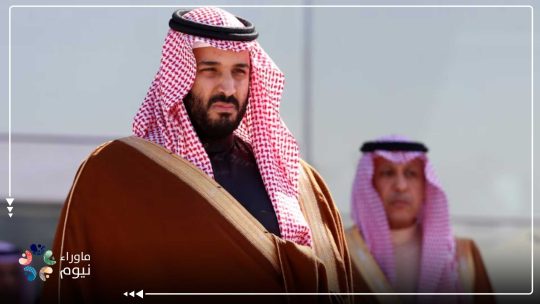
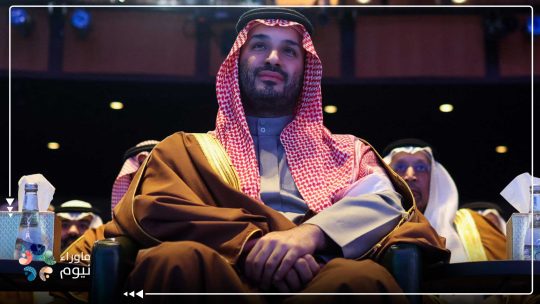
Adding fuel to the fire were comments in 2017 by Saud al-Qahtani, who was then one of the closest advisors to crown prince, and de facto ruler of Saudi Arabia, Mohammed Bin Salman (MBS). Qahtani tweeted: “Does a pseudonym protect you from the #blacklist? […] No.” He continued to speak of “secret” ways anonymous accounts could be identified.
His Twitter account was banned in September 2019, with the social media company saying he committed “violations of our platform manipulation policies”. He had previously been removed from his government post, and placed on a US blacklist himself, for his alleged involvement in the murder of Washington Post journalist Jamal Khashoggi in 2018 in the Saudi consulate in Istanbul.
This poses tough questions for the Saudi regime, not least in its attempt to promote its megacity project, Neom, as a global hub for the media and tech industries. Would those heavily involved in promoting the supposed freedoms of social media platforms feel comfortable in the knowledge that they were doing so from a country with a track record of exploiting social media security to identify those who dared to challenge its human rights record?
Human rights groups are banned in Saudi Arabia, and with good reason – the kingdom has one of the worst human rights records on the planet.
Any tech entrepreneur thinking of basing themselves in Neom would have two choices, if they wanted to retain their freedom and not “vanish” like Abdulrahman al-Sadhan: either self-censor to avoid upsetting the regime in any way, or lie awake at night wondering whether they will hear a knock at the door from security forces wanting to silence a dissenting voice and protect the famously thin-skinned MBS and his cronies.
The Neom website claims: “Providing advanced tools, state-of-the-art infrastructure, technology and a supportive media regulatory and funding framework, Neom will enable creatives to excite and engage audiences with all forms of world-class content.”
Just be sure the “world-class content” uncritically supports the Saudi regime.
Read more: European politicians call on EU to shun Saudi G20