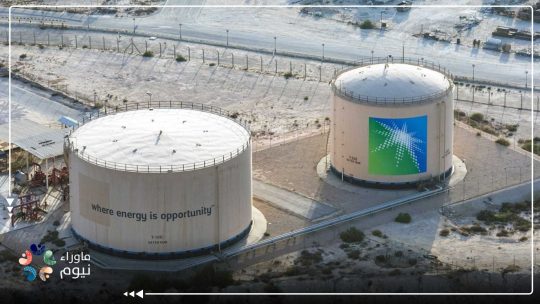


Since the Corona Virus struck the world, Saudi Arabia went to a complete closure, and its situation became much worse, given the austerity measures taken by the Saudi government which raised the tax rate and cut off employees’ benefits during a serious decline in oil prices.
These measures were followed by an increase in the prices of oil derivatives and an increase in the prices of water and electricity bills.
The Saudi people interpreted these measures in two ways: the first is the failure of the Saudi crown prince to convince Saudi public opinion of his suitability for the position of crown prince or king in the future. The second is that the Crown Prince is compromising the austerity measures for stability, which means that people have to either accept his political and economic plans or live in a state of chaos, arbitrary detentions, and a state of insecurity caused by the state security apparatus.
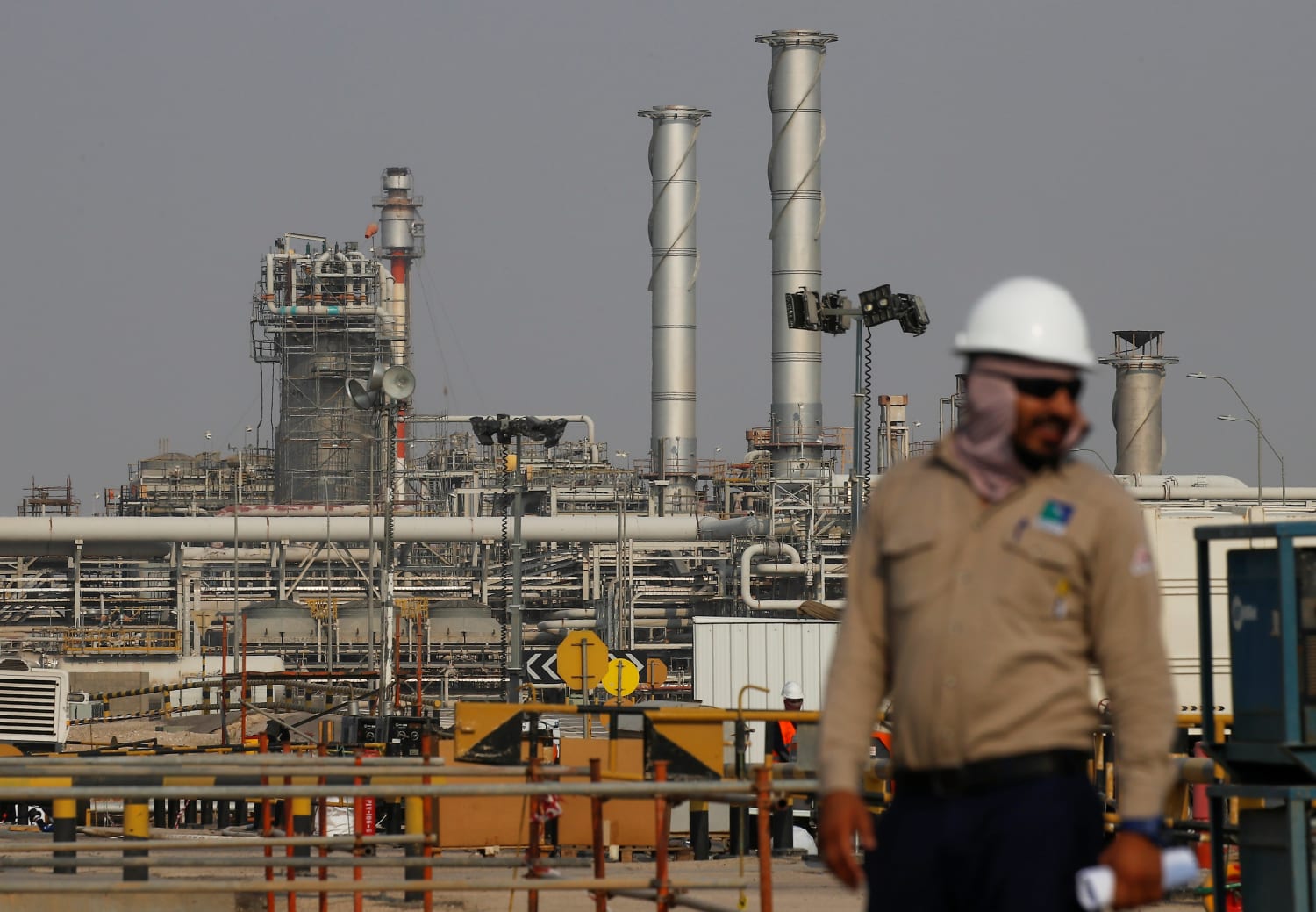
The American newspaper Bloomberg revealed that fake reports of the Saudi Crown Prince, in which he asserted that the total expenditures amounting to nearly one trillion Saudi riyals, estimated at $266 billion, won’t change in the 2020 budget; in return the government decided to increase tax, reducing government allowances for employees, which affected the entire private sector on which the Saudi Crown Prince is supposed to rely on to diversify the sources of income for the Saudi economy in the coming period. Consumption rates also declined due to the austerity imposed by the Crown Prince on the people.
James Reeve, the chief economist at Samba Financial Group, described the austerity measures of the Saudi Crown Prince, saying, “These drastic measures reflect the seriousness of the challenges facing the Kingdom and send a message to the markets that the authorities are ready to take difficult decisions to keep the deficit within reasonable limits, yet these measures affect the already struggling retail business.”
The report also indicated that the new measures announced by the Saudi Minister of Finance, Mohamed Al-Jadaan, resulted in analysts lowering their expectations on the growth rates in the Saudi economy in the coming period, as Bilal Khan, chief economist at Standard Chartered Bank, expected a decrease in growth rates in the Saudi economy by 5 %.
The crisis also affected the declining profits of the Aramco oil company, which consequently affected the budget of Saudi Arabia, especially after going into a war over oil with Russia, which prompted the Crown Prince, with his deficient policies, to try to balance the deficit in the budget through international and domestic bond markets since the end of 2019.
The Saudi economic advisor, Ahmed Al-Shehri, commented on these measures saying, “If our economy needs a part of our money, then citizens must do so without hesitation because all the measures currently taken are 100% appropriate. However, neither the Minister of Finance nor the counselor told the people whether these measures would apply to the dreams of MBS in Neom and international resorts.
More: 5 crises Saudi Arabia witnessed including realizing the dreams of Crown Prince Mohammed bin Salman