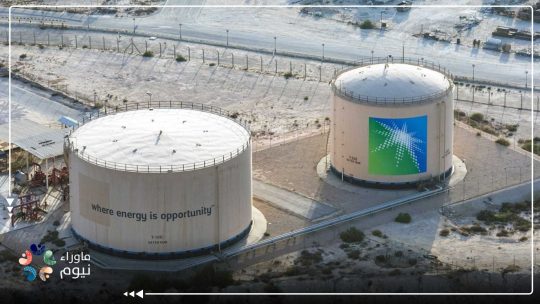


At the end of the first quarter of 2020, SABIC the largest producer of petrochemicals, fertilizers, and steel in the region, lost about 950 million Saudi riyals, worth a quarter of a trillion dollars, compared to the company’s profits during the same period in 2019, which amounted to 4.3 billion riyals. Yousef Al-Banyan, CEO of the company said: “The worst is yet to come”.
Social media users in Saudi Arabia asked many questions, the most prominent of which was whether the worst that Al-Bunyan spoke about referred to the company he is the CEO of or the Saudi economy in general, given the major challenges it is facing since the closure policy pursued by countries following the outbreak of the Corona epidemic and the sharp decline in oil prices, which is the main source of income for Saudi Arabia.
Social media users started suggesting answers as the majority of citizens expected that Al-Bunyan meant the Saudi economy in general. They cited the statements of the Saudi Finance Minister, who disclosed austerity measures that will be imposed on Saudi citizens in the coming months, which have now become a reality in the life of the Saudi citizen.
The Saudi Finance Minister also said that Riyadh is preparing to borrow a record amount estimated at 220 billion riyals ($59 billion) this year, an increase of 100 billion riyals ($26.7 billion) over what was planned before the crisis of the outbreak of the Coronavirus, which will lead to a historic leap in the debt, which currently stands at about $180.8 billion, and will reach nearly a quarter of a trillion dollars by the end of the year.
The Saudi budget data revealed that public debt at the end of 2019 rose to 678 billion riyals (180.8 billion dollars), which is about 24% of the gross domestic product, compared to 560 billion riyals during the previous year.
According to official data issued by the Saudi Ministry of Finance, before the outbreak of Corona, the total public debt at the end of 2020 would be expected to reach 26% with an increase of 2% over the previous year, which means that the announced significant increase in borrowing rates will double.