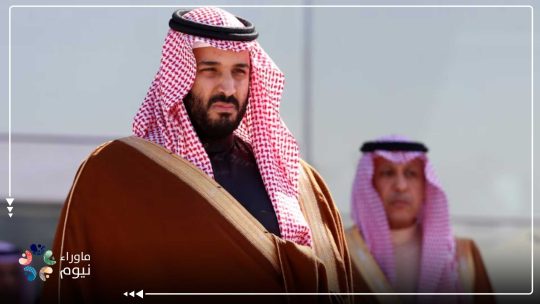


Over the past few days, several scandals and accusations of financial corruption have dogged some senior officials in the Kingdom of Saudi Arabia, who was singled out by Saudi Crown Prince Mohammed bin Salman to the Public Investment Fund.
It is worth noting that the Public Investment Fund is the Kingdom’s sovereign wealth fund, which was established in 1971, and is among the largest sovereign wealth funds in the world, occupying seventh place with total assets estimated at $430 billion.
The British newspaper “The Guardian” revealed shocking details about the record of the governor of the Saudi Sovereign Wealth Fund, Yasser Al-Rumayyan, a man close to Mohammed bin Salman, whom bin Salman appointed as chairman of Newcastle Club, in addition to chairing the board of directors of Saudi Aramco.
The newspaper said that secret Saudi internal documents had been submitted to a Canadian court showing his connection to the anti-corruption campaign case in 2017. The documents showed that one of the 20 companies seized by Al-Rumayyan was a chartered aircraft company used in the Saudi plot to kill journalist Jamal Khashoggi.
Reports also confirmed that Saudi Crown Prince Mohammed bin Salman had squandered more than 3.5 billion dollars of the Saudi people’s money as a foreign investment without feasible benefits on those billions.
Furthermore, the Saudi Crown Prince did not leave a fund, company or source of money in without seizing it.
The newspaper said that this approach increases the risks of failure of Vision 2030, which was aimed at diversifying sources of income in the Kingdom of Saudi Arabia.
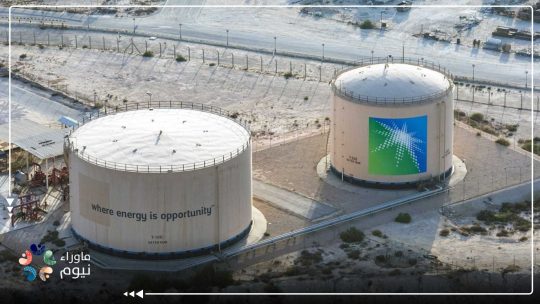
The plan that the Saudi Crown Prince is pursuing is to reduce the profits that major companies pay to the kingdom’s general budget in return for directing these companies, including the oil giant Aramco, as part of its profits go towards contributing to infrastructure projects and some other projects that can provide job opportunities for young people in the country.
The report also showed that last year’s budget deficit amounted to 12% of GDP, which means that it is compressed due to the decline in dividend payments to Saudi companies.
It is also worth noting that the Kingdom of Saudi Arabia owned a large number of sovereign funds, all of which were merged by bin Salman under the management of the Public Investment Fund, whose assets managed by him decreased last year to $ 320 billion.
Not a single day goes by without new scandals about bin Salman, who pledged to fight corruption, diversify the economy, and push the development wheel forward.