
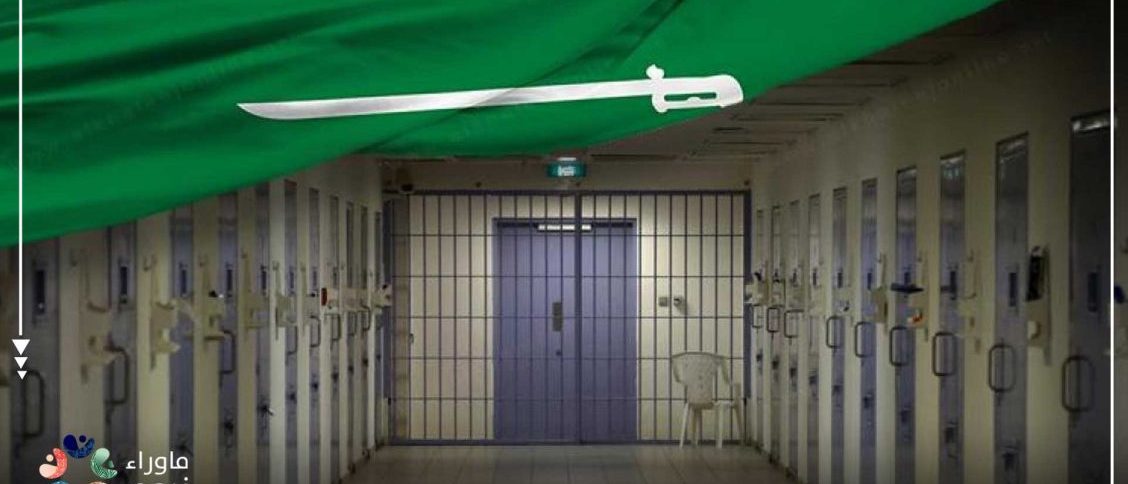
Under Crown Prince Mohammed bin Salman’s rule, Saudi repression has evolved. No longer reliant solely on prison bars or solitary cells, the regime now employs travel bans as a silent weapon to control, punish, and isolate—turning the entire country into an invisible prison.
According to a joint Guardian and ALQST investigation, dozens of former political prisoners in Saudi Arabia remain under long-term travel bans despite having completed their sentences. These restrictions serve one goal: to silence dissent without triggering international outrage.
“Freedom” as Illusion: Surveillance Without Walls
Lina Alhathloul, sister of prominent activist Loujain Alhathloul, explains it clearly:
“Former prisoners are seen in public, which gives an illusion of freedom. But in reality, they live under constant self-censorship, unable to speak out or share their stories.”
This policy doesn’t only aim to suppress the individual—it’s collective punishment, extending fear to families and communities.
“It’s a way to silence those around them. A tactic to stop anyone from becoming their voice,” Lina adds.
Loujain’s life post-prison, like many others, is what Lina calls “an open-air prison.”
Travel Bans: The New Political Weapon
Unlike most countries where travel bans are exceptional and judicially sanctioned, Saudi Arabia enforces them arbitrarily and secretly, with no legal basis, no notice, and no means of appeal. These bans:
- Act as extrajudicial punishment
- Prevent survivors from testifying
- Isolate activists from global platforms
Notable Cases
- Loujain Alhathloul: Freed from prison, still banned from travel.
- Nasima Al-Sada & Samar Badawi: Women’s rights defenders banned post-release.
- Abdulrahman Al-Sadhan: Silenced after enforced disappearance and secret trial.
- Waleed Abu Al-Khair: Still imprisoned, but even his family lives under surveillance.
“Reform” is Just a Mask
While the regime boasts about social reforms—concerts, women driving, and tourism—it simultaneously bans activists and their families from leaving the country. According to Human Rights Watch:
“Saudi Arabia systematically imposes arbitrary travel bans to suppress activism and intimidate opponents.”
The tactic is deliberate: travel bans attract less media attention than re-arrest, but achieve the same goal—silencing.
Why Travel Bans?
Because they are:
- Invisible to the media
- Hard to challenge legally
- A tool to manipulate public image
The regime wants silence—without headlines.
A Nation of Banned Dreams
- 89 former prisoners are under travel bans as of July 2025
- 31 family members of detainees are banned without cause
- 20+ activists have been denied medical and educational travel
- Zero legal channels exist to appeal or even confirm the bans
This Is Not Reform — It’s a Mass Punishment
According to international law, blanket travel bans imposed for activism, speech, or familial ties violate core human rights and constitute collective punishment, a clear breach of international humanitarian norms.
A Passport Doesn’t Mean Freedom
No global forum or PR campaign can erase this truth:
- A country that denies its citizens the right to leave is not a homeland—it’s a prison.
- A system that criminalizes speech cannot build a future.
- A regime that silences families is not reforming—it’s manufacturing fear.
Mohammed bin Salman’s kingdom needs no fences. A blocked passport, a sealed border, and a strangled dream are all it takes to turn the nation into a prison state in disguise.