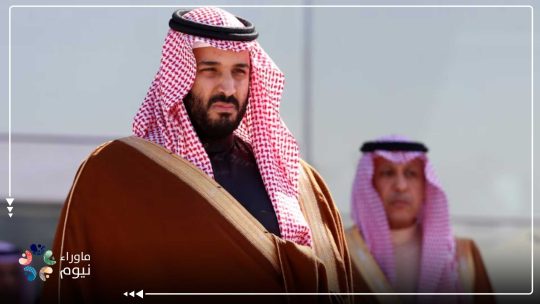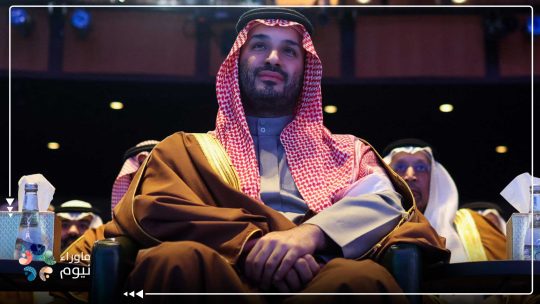

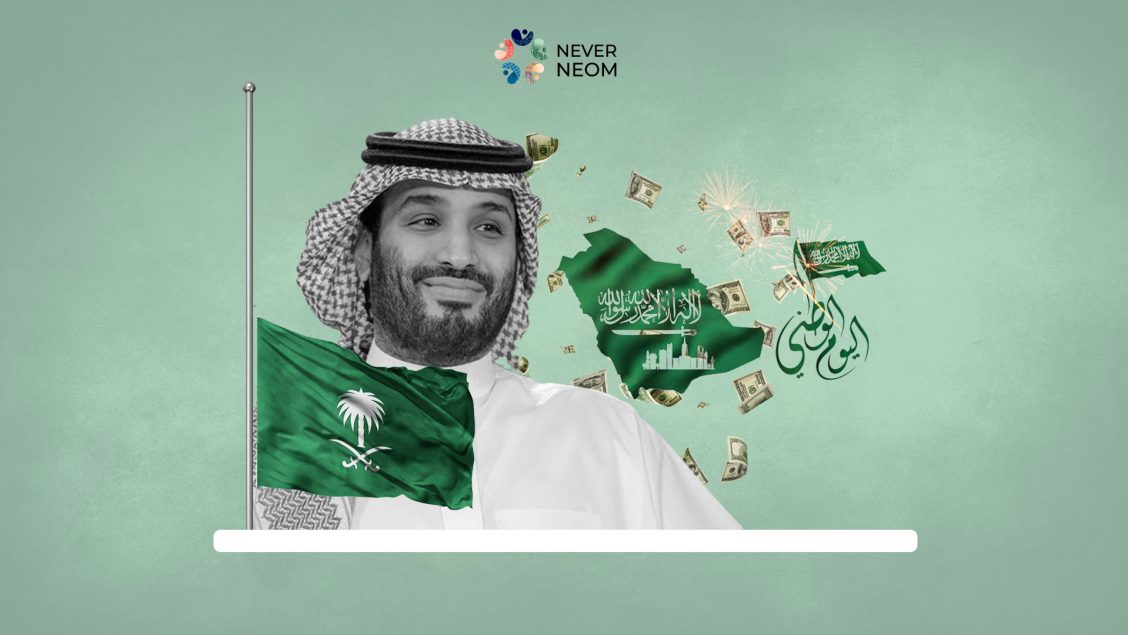
A new chapter of corruption has emerged linking the Saudi regime to the inner circle of former—and now current—U.S. President Donald Trump. At the centre of this unfolding controversy is Michael Boulos, Trump’s son-in-law, who is under congressional investigation over a suspicious $100,000 deal with Abdul Elah Alam, a Saudi businessman closely affiliated with Crown Prince Mohammed bin Salman (MBS).
While the transaction may appear modest in isolation, its significance lies in the broader context of escalating financial and political collusion between Trump’s family and the Saudi royal court. This incident underscores a systemic pattern of foreign influence buying—whereby Saudi oil wealth is repurposed not to develop the Kingdom, but to secure strategic power abroad, especially in Washington, D.C.
A Pattern of Political Bribery
This case is not unprecedented. In 2022, it was revealed that Saudi Arabia’s Public Investment Fund (PIF) invested $2 billion into a private equity firm founded by Jared Kushner, Trump’s other son-in-law, shortly after his departure from the White House. The deal moved forward despite strong objections from PIF advisers, who noted Kushner’s lack of relevant experience. Nevertheless, MBS personally approved the transaction, exposing a clear attempt to buy influence and secure political allies.
The ongoing investigation into Michael Boulos suggests a continuation of this same strategy—only this time, it unfolds while Trump has once again assumed office, raising serious concerns about potential conflicts of interest and the erosion of democratic integrity.
Exporting Saudi Corruption
The roots of this financial-political scandal stretch back to the domestic policies of the Saudi regime itself. Under the guise of an “anti-corruption” campaign, MBS orchestrated the infamous 2017 Ritz-Carlton purge, detaining businessmen and royal figures to extract wealth. Far from serving national interests, these confiscated funds were centralised under royal control and diverted to consolidate power and finance regime propaganda.
Today, the consequences of that campaign are visible far beyond Saudi borders. The same wealth once seized in Riyadh is now surfacing as tools of influence in the United States—used not for reform or diplomacy, but for shielding authoritarianism and building international alliances through private payoffs.
Trump’s Family as a Gateway to Riyadh
What distinguishes the Trump-Saudi connection is not just its depth but its informality. The Trump family has repeatedly blurred the lines between public office and private interest, effectively converting the White House into a platform for financial enrichment. Saudi Arabia has capitalised on this vulnerability, bypassing traditional diplomacy to engage directly with Trump’s relatives—most notably Kushner and Boulos—using personal deals to ensure long-term strategic support.
While these transactions enrich elites on both sides, the real cost is borne by ordinary citizens. In Saudi Arabia, inflation, unemployment, and austerity measures weigh heavily on the population. Despite record oil revenues, essential services are underfunded, and visionary projects like NEOM face serious financial and logistical setbacks. Instead of investing in the welfare of Saudi citizens, regime wealth is increasingly directed toward foreign ventures that serve the narrow interests of the ruling class.
The convergence of Saudi desperation and Trumpian opportunism has produced a deeply corrupt alliance. For MBS, this partnership offers international protection amid growing global criticism. For Trump and his family, it ensures financial windfalls and strategic partnerships.
The Cost of Corruption
In the U.S., such arrangements undermine public trust, dilute institutional integrity, and set a dangerous precedent for foreign interference in domestic politics.
The $100,000 transaction involving Michael Boulos and Abdul Elah Alam is not an isolated incident—it is a symptom of a systemic illness in both Saudi and American governance. The Saudi regime, facing internal instability and international criticism, seeks legitimacy through foreign bribery. Trump’s inner circle, historically willing to monetise access to power, provides the perfect channel.
This unfolding saga confirms a grim reality: Saudi money is no longer just a regional force—it is now a global tool for buying silence, rewriting narratives, and securing authoritarian survival.