

From Pariah to VIP
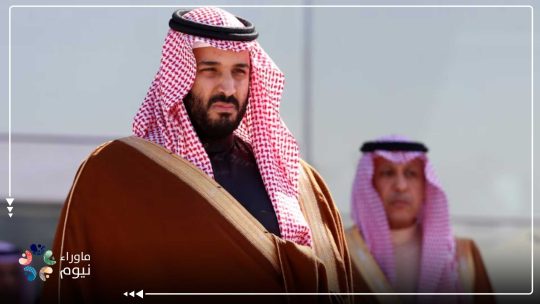
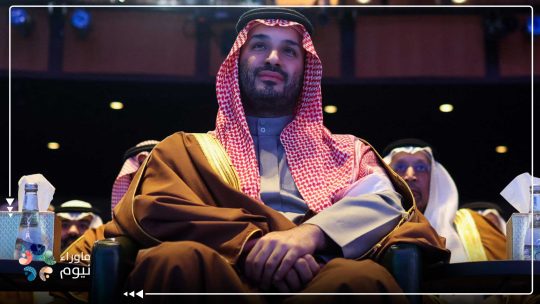
Seven years have proven how short political memory can be in Washington—and how easily principles and journalists’ blood can be traded for money and deals. Mohammed bin Salman (MBS), once a pariah after the brutal 2018 murder of journalist Jamal Khashoggi inside the Saudi consulate in Istanbul, is preparing to return to the U.S. capital this coming November—to meet face-to-face with Donald Trump, as though nothing ever happened.
According to Bloomberg sources, this is no routine visit. It’s a fully orchestrated political show, aimed at whitewashing MBS’s image in the American arena and reintroducing him as a respectable figure to a friendly administration known for swapping values for dollars. One Washington Post analyst called it “the biggest political whitewash since Gaddafi’s visit to Paris,” adding, “What we’re witnessing is a clear sign that money trumps everything in international politics.”
From Pariah to Guest of Honour
After the CIA and other U.S. intelligence agencies linked MBS to the murder of Khashoggi, he became persona non grata in Washington’s political and media circles. Major corporations pulled out of deals with Riyadh, politicians demanded sanctions, and think tanks shut their doors to Saudi delegations.
But that so-called “moral boycott” was short-lived. Oil, arms deals, and billions in investments in Wall Street and Silicon Valley steadily chipped away at the wall of isolation. During Trump’s first term, the relationship was rekindled—fueled by a desire to preserve a golden economic and security partner.
Now, with Trump returning to the White House, MBS sees an opportune moment to complete his image-laundering campaign at the highest level, via a public visit designed to reframe him as a natural, trustworthy partner for Washington.
A Meeting of Interests, Not Values
This visit is nothing more than a transactional arrangement dressed as diplomacy. Trump needs the flow of Saudi capital to prop up major economic and infrastructure ventures, while MBS seeks to be fully rehabilitated within the U.S. political sphere after years of being relegated to back channels.
Their alliance is built on cold pragmatism—no talk of human rights, democracy, or press freedom. What matters are mutual benefits and the photo-op handshake, which will be sold in Riyadh as proof of restored glory, and in Washington as evidence of “stable relations.”
Khashoggi: The Absent Yet Haunting Presence
Seven years after Jamal Khashoggi’s murder, his name continues to haunt MBS in every Western visit—especially to the U.S. The upcoming meeting raises a blunt moral question: How can a U.S. president host someone his own intelligence agencies accuse of orchestrating the murder of a U.S.-based journalist?
The answer is simple: money and deals. The Trump administration has never hidden that its economic interests outweigh any other concern. Its relationship with Riyadh is measured in dollars—not lives lost or rights trampled.
A Calculated Political Move
Choosing November 2025 for the visit is no coincidence. Saudi Arabia is desperate to secure stronger alliances amid growing regional tensions and internal economic slowdowns. At the same time, Trump needs foreign policy wins and the optics of powerful allies pouring money into the U.S. economy.
It’s a two-way transaction: Saudi support in exchange for diplomatic protection, immunity from criticism, and a seat back at the global table.
Mixed Reactions: Rights Concerns vs. Industrial Greed
The visit is expected to spark backlash from rights groups such as Human Rights Watch and Amnesty International, who will seize the opportunity to highlight Saudi Arabia’s dark record: executions, repression of dissent, jailing of activists, and systemic restrictions on freedoms.
Meanwhile, the American military-industrial complex will see the visit as a golden opportunity for billion-dollar contracts—from high-tech arms to energy and AI ventures. As usual, profit will speak louder than principles.
As one NBC political analyst bluntly put it: “Trump sees MBS as a golden client, not a political ally—someone who can write massive checks, not someone he shares values with.”
A Maskless Alliance
Since their first meeting in 2018, Trump has admired MBS as a “man who knows what he wants”—a reference to MBS’s ruthless decision-making and disregard for opposition. For his part, MBS sees in Trump a leader who speaks in the language of deals and ignores inconvenient truths.
Their shared approach to governance—treating politics like business—exposes a dangerous common ground: neither sees public service as a moral duty but rather as a transactional enterprise where profit equals success.
Saudi-Style Image Laundering
The upcoming visit is the culmination of MBS’s multi-billion-dollar global PR strategy: sportswashing, cultural events, European club acquisitions, mega-projects under Vision 2030—and now, a public embrace by America’s most transactional president.
But no matter how polished the image, the facts remain. Behind the handshakes and smiles lies a legacy of repression and atrocities, which cannot be erased from victims’ memories or the historical record.
Washington Welcomes, Justice Sleeps
The upcoming MBS-Trump meeting will mark a major political moment—but also a damning testament to a global system that preaches human rights while abandoning them for the right price. For MBS, the visit will be hailed at home as a diplomatic victory and proof of restored stature. For Trump, it’s a power play to showcase his international pull. But for the memory of Jamal Khashoggi, and for Saudi citizens who still suffer under tyranny, the meeting will be another cruel reminder of the price of global silence