
everything from flying cars to glow-in-the-dark beaches. It says it wants to transform the desert into a modern utopia, where industry, sports and media can thrive in a setting straight out of a science fiction movie.
But scratch away the veneer of the expensive advertising campaigns and something far darker emerges. Here are ten things you need to know about Neom.
1: It will force tens of thousands from their land
Neom is to be built across 26,500 square km in the Tabuk province of northwest Saudi Arabia. The PR campaign for Neom would seem to suggest that uninhabited desert is set to have life breathed into it for the first time. But there is a problem here. It’s already home to around 20,000 people, members of the Hawaitat tribe.
The Huwaitat live in often under-developed communities with poor infrastructure. Development of the region, the availability of jobs and access to clean water would probably be a welcome development to many of the tribespeople. But they have little influence in Saudi Arabia’s plans – to the extent that the totalitarian regime has already murdered one member of the community who dared to speak out against being forcibly displaced.
Abdul Rahim al-Huwaiti was shot dead by security forces for daring to oppose Neom’s development on the land of his community. Eight others have been detained for opposing the evictions.
The Neom project sees them as expendable – nothing will get in the way of Saudi Arabia’s plans to turn the region into a playground for the rich and powerful. Yet members of the Huwaitat community continue to oppose the project – while fearing for their lives.
2: It will cost $500 billion to bring to life
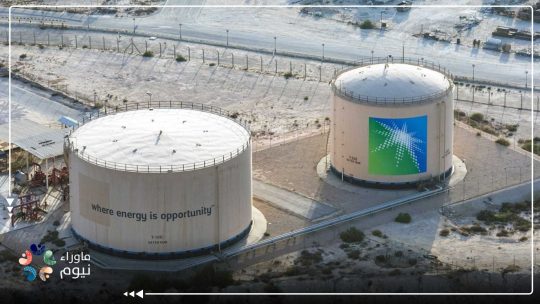
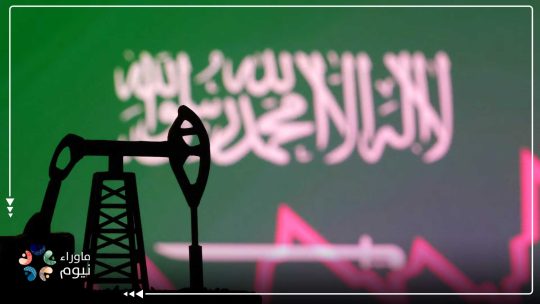
The Saudi economy has taken a huge hit from the combined crises of coronavirus and the volatile price of oil, the latter being the source of Saudi Arabia’s wealth and power. Public sector spending has been slashed as a result – but apparently the development of Neom is still surging ahead, despite billions in cutbacks.
Half a trillion dollars would go a long way. For example, even a fraction of it would hugely improve the lives of those living in Yemen (which has a GDP of $26.9bn). Instead, the main area of spending in this area by Saudi Arabia is on the military hardware used to kill tens of thousands of Yemenis as part of the regime’s proxy war with Iran. More than 100,000 people are thought to have died in the conflict so far.
3: It might not even happen
There is much doubt about whether Neom will even ever exist. While aspects of it have already been created or are under construction, such as airports and some infrastructure, the economic woes of Saudi Arabia combined with growing international condemnation of Saudi Arabia’s appalling human rights record, mean that the vision is far from certain.
And some of the headline-grabbing promised attractions – such as flying cars – do not even yet exist. While many promises have been made about the certainty of Neom coming to life, it is uncertain how many of these promises have simply been made to attract investment and other forms of support to the project.
4: It’s a vanity project
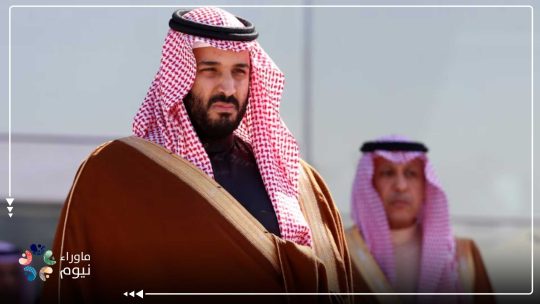
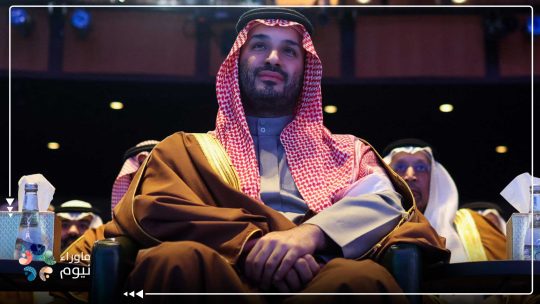
De facto Saudi ruler Mohammed Bin Salman, or MBS, is desperate to shake off his kingdom’s image of being a backwards, totalitarian state wholly reliant on oil. Neom’s claims of being a liberal, futuristic destination for the global elite, designed for tech entrepreneurs and sporting tournaments, is designed to distract from the fact that it is a state that, for example, routinely tortures and kills dissidents, in the most barbaric ways, and it under the absolute rule of a hereditary monarchy.
Neom would show, in theory, that MBS is a progressive leader looking to new technologies and steering Saudi Arabia towards an environmentally-friendly future. So far, this tactic does not seem to be bearing fruit.
5: It’s for the wealthy
Neom will not benefit the vast majority of people on this planet. It is not aimed at the migrant workers who flock to work in Saudi Arabia only to have their visas controlled by their employer or to work with few, if any, rights in the workplace. It will not offer anything to the communities who have lived on the land for centuries and are not being displaced.
Neom will be a region for the international super-rich, who can pay for the fancy hotels, robot servants and artificially illuminated beaches. The $500bn price tag will not benefit the poorest – or even the wealthiest of the middle class. It will be the playground of the wealthy, with those creating their wealth kept far away and out of sight.
6: It’s part of MBS’s Vision 2030
Vision 2030 is ruler MBS’s plan to restructure the Saudi economy and “liberalise” the kingdom. The main drive is to move away from the volatile oil markets, which are the source of Saudi Arabia’s wealth, and into industry and alternative sources of energy. Much was made of this launch in 2017, but so far little has changed. Opponents are still persecuted, wars are still waged and only those with the right lineage can have any form of influence over how the country operates.
7: It will be a police state
Neom boasts high-tech methods of mass digital surveillance will be employed to keep the region “safe from crime”. That would be worrying enough even in the most liberal of democracies, but in Saudi Arabia it is truly terrifying. This is a country in which opponents of the regime are routinely arrested, abused and killed after being accused of trumped-up charges of “terrorism”, “insulting Islam” and “inciting people against the authorities”. The punishments can be as brutal as limb amputations, crucifixions and public flogging. Constant monitoring of the entirety of Neom’s populations – were that even possible – would be like living in a dystopian nightmare.
8: Discrimination would be rife
The official Neom website shows people of different ethnicities and genders enjoying their imagined lives in Neom. But Saudi Arabia is hugely discriminatory against minorities. Women still have few rights and Shi’a communities are regularly harassed and imprisoned.
9: Partners are feeling the pressure
Neom relies on international partnerships and investments, but has so far seen many key figures abandon their associations with the project thanks to Saudi Arabia’s continued human rights abuses. Advisor Daniel L Doctoroff and architect Norman Foster both dropped their support for the project after the state-sanctioned murder of Washington Post journalist Jamal Khashoggi. More recently, Riot Games, which owns the popular League of Legends video game, was forced to backtrack on a major sponsorship deal with Neom after a huge backlash from its fans. For many people around the world who believe in human rights and oppose Neom, putting pressure on international supporters of Neom is a key way to resist the project.
10: Popular opinion can topple Neom
As we have seen through the pressures exerted on Neom’s collaborators, popular opinion can cause huge problems for the project. Saudi Arabia is a key player in geopolitics and a major ally of the west, but whether through its war on Yemen, its displacement of tribespeople or its murder of dissidents, it is becoming increasingly embarrassing, and potentially costly, for western governments and businesses to be seen as close to the regime.
Neom needs investors, it needs partners and, if it ever opens, it needs visitors. The power of global public opinion can put a stop to it.