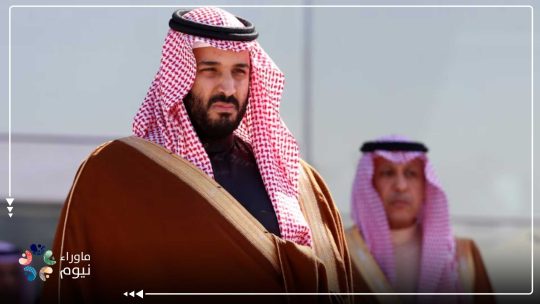

In a report for Bloomberg, it revealed that the Saudi Investment Fund had adopted a plan to squander wealth of the Kingdom of Saudi Arabia under the pretext of funding projects of the Crown Prince’s economic vision to diversify the economy.
The projects added that the Saudi government plans to sell stakes in local companies owned by the sovereign wealth fund, in order to get $5 billion in cash to implement Vision 2030 incomplete projects. “The sales scheduled to be sold include $3.2 billion from the sale of STC shares, and $1 billion from selling a stake in the Saudi Stock Exchange, in addition to $820 million from selling a stake in the Digital Security Company.”
Bloomberg also stressed that the ill-considered plans of MBS increase the risks of failure of Vision 2030, which was launched six years ago to diversify the sources of income in Saudi Arabia, which was completely dependent on oil.
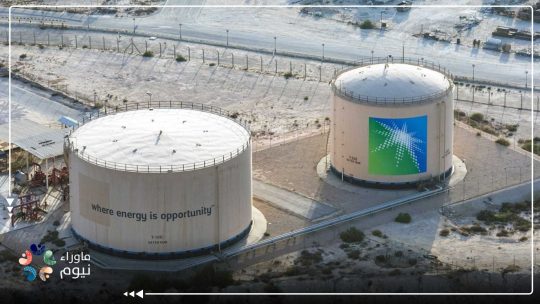
The current plan is based on reducing profits paid by major companies to The General Budget of KSA, in exchange for directing these companies, including the oil giant Aramco and SABIC, where part of their profits will go towards infrastructure projects and other projects.
The Saudi Investment Fund is the main funder for achieving Vision 2030 projects. This was revealed after the government stated that the budget – whose deficit amounted to 12% of GDP last year – is tight due to the decline in payments of Saudi companies.
It is worth noting that Saudi Arabia owned a number of sovereign funds, most of which were merged under the management of the Public Investment Fund, headed by bin Salman. This Investment Fund ranks fourth in the Gulf and 11th worldwide, and it manages the three main projects of Vision 2030; Neom City project with $500 billion, the Entertainment City, and the Red Sea Tourism Project.
Currently, the Saudi Investment Fund is working on establishing new entertainment cities and resorts, claiming that they will provide 2 million job opportunities.
The Saudi budget has become increasingly focused on managing the government’s daily expenses instead of creating economic growth, which is detrimental to the future of the country and its investments.