
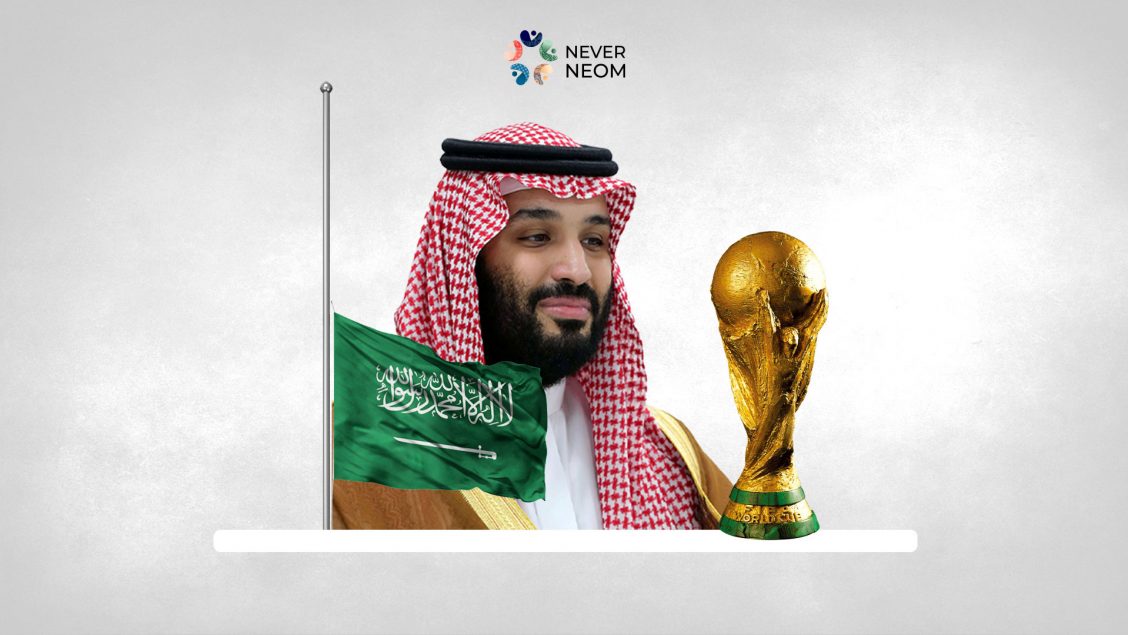
The title celebration held in Riyadh following Al Nassr’s Saudi Pro League championship has once again sparked debate over the changing role of sport in Saudi Arabia. Featuring a Lebanese singer and choreographed dance performances alongside the trophy presentation, the ceremony reflected a broader transformation in which football events are increasingly being packaged as entertainment spectacles rather than purely sporting occasions.
The event is the latest example of how Saudi Arabia has integrated concerts, live performances, and celebrity appearances into major sporting occasions as part of a wider strategy to reposition the kingdom as a global destination for entertainment, tourism, and international events.
While supporters describe the shift as a natural evolution in line with global sporting practices, critics argue that it represents a fundamental redefinition of the purpose of sport and its place within Saudi society.
Football as a Platform for Entertainment
For decades, football celebrations in Saudi Arabia focused primarily on the players, supporters, and the sporting achievement itself.
League title ceremonies traditionally centered on trophy presentations, fan celebrations, and recognition of athletic success.
Today, however, music concerts, celebrity performances, and choreographed entertainment have become increasingly prominent components of major football events.
The change reflects a broader policy pursued under Vision 2030, which seeks to combine sport, entertainment, tourism, and cultural programming into a single economic sector designed to attract domestic and international audiences.
Sport is no longer presented solely as competition, but as one element within a wider entertainment experience.
Beyond Football: A New Image for Saudi Arabia
Since launching Vision 2030, Saudi Arabia has invested billions of dollars in football.
The kingdom has signed internationally recognized players and coaches, acquired stakes in clubs, secured hosting rights for major competitions, and successfully won the bid to host the 2034 FIFA World Cup.
Yet the transformation has extended beyond the game itself.
Football has increasingly become part of Saudi Arabia’s broader nation-branding strategy, where sporting events are accompanied by concerts, cultural performances, and entertainment designed to project an image of openness and modernity.
Critics argue that this evolution illustrates how sport has become a vehicle for promoting Saudi Arabia’s international image alongside its tourism and investment ambitions.
A Continuing Social Debate
The latest championship celebration has also revived a familiar domestic discussion.
Supporters argue that integrating concerts and live entertainment into sporting events reflects international practice seen at major tournaments and leagues around the world.
Opponents, however, contend that such performances represent a significant departure from the character traditionally associated with public sporting celebrations in Saudi Arabia.
Similar debates have emerged repeatedly during previous entertainment seasons, concerts, and sporting events, illustrating broader disagreements over the pace and direction of the kingdom’s social transformation.
Increasingly, the discussion extends beyond football itself to wider questions about cultural identity and changing public norms.
Sport as Soft Power
The transformation of Saudi sporting events cannot be separated from the kingdom’s broader use of sport as an instrument of soft power.
International tournaments, elite athletes, Formula One races, boxing championships, golf events, and football competitions have become central components of Saudi Arabia’s global engagement strategy.
Entertainment surrounding these events serves not only domestic audiences but also reinforces the kingdom’s efforts to present itself internationally as a modern destination capable of hosting world-class cultural and sporting experiences.
In this context, concerts and performances are not simply additions to football matches; they form part of a broader communications strategy intended to reshape international perceptions of Saudi Arabia.
Redefining the Role of Sport
The growing integration of entertainment into Saudi football reflects a broader shift in how sport is understood within the kingdom.
Rather than functioning solely as athletic competition, football increasingly serves economic, cultural, and diplomatic objectives.
Whether this transformation represents successful modernization or a departure from the traditional identity of Saudi sport remains the subject of continuing public debate.
What is clear, however, is that football in Saudi Arabia is no longer confined to the pitch.
As Vision 2030 continues to reshape the country’s cultural landscape, sporting events have become stages upon which broader ambitions—economic, social, and political—are performed before both domestic audiences and the wider world.