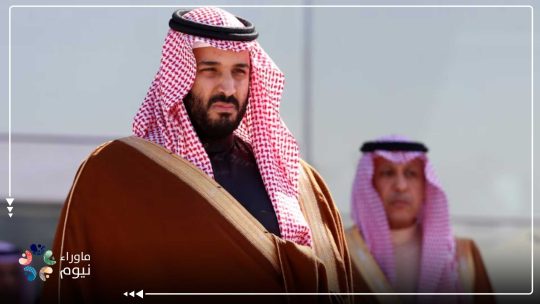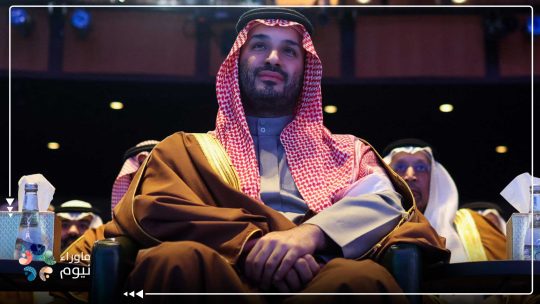

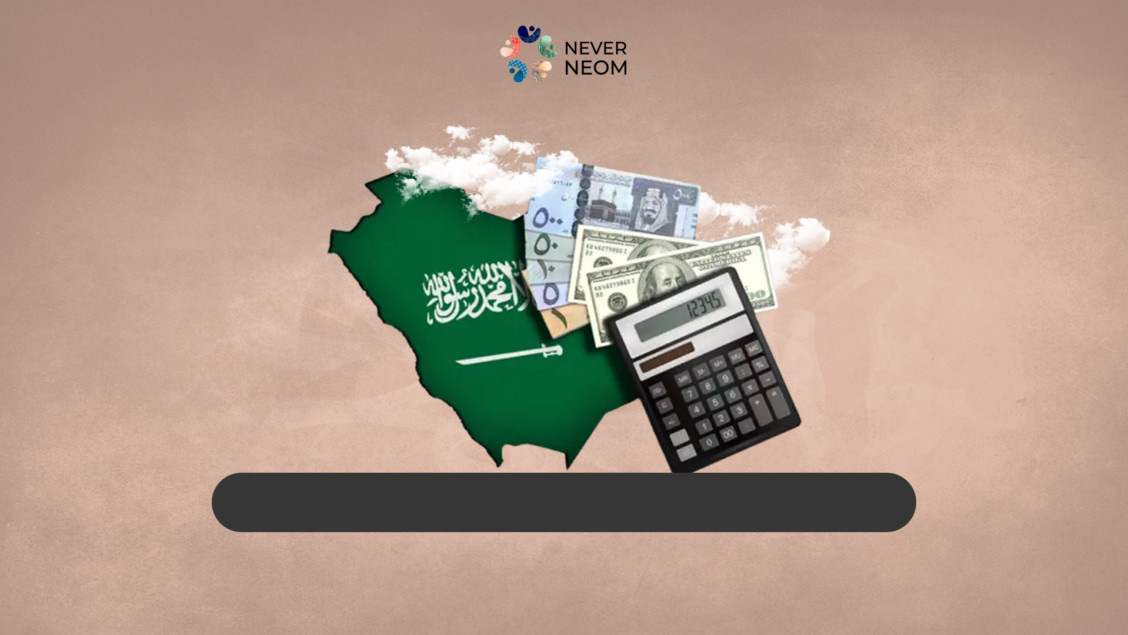
Saudi Crown Prince Mohammed bin Salman has been under fire after increasing taxes at an unprecedented level to contain a budget deficit which ballooned to over 11% of gross domestic product last year.
The kingdom estimated its 2020 deficit at $80 billion. Last year, Saudi Arabia introduced measures such as a tripling of a value-added tax and removal of a cost of living allowance to replenish state coffers depleted by the coronavirus crisis and lower global demand for crude.
For autocratic regimes, increasing taxes could put their survival at risk.
The kingdom’s de facto ruler, Crown Prince Mohammed bin Salman, has for years spoken of opening up his country to greater international and private investment and diversifying its economy, as well as promoting a more secular image to the outside world. (Those efforts were hindered when foreign investors pulled out after the killing of the U.S.-based Saudi journalist Jamal Khashoggi.)
But the Saudi government—a highly autocratic regime—has historically resisted taxing its citizens for a reason: Taxes empower people to demand more from their government, and they can often be a trigger for democratization.
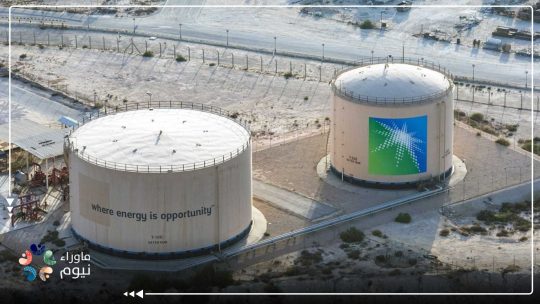
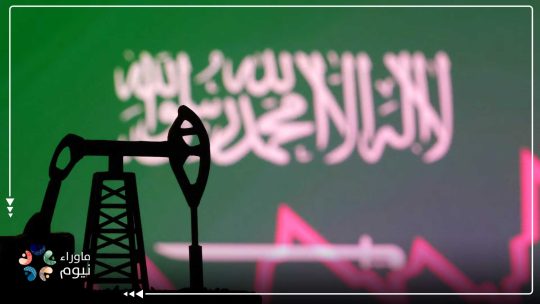
This led to growing popular anger despite the increase of oil revenue where prices have reached over $131.13 a barrel in the first quarter of 2022, touching a peak of more than 10 million barrels a day.
In a monthly report, the Organization of the Petroleum Exporting Countries (OPEC) said world demand would rise by 3.36 million barrels per day (bpd) in 2022, down 310,000 bpd from its previous forecast.
The report showed OPEC output in April rose by 153,000 bpd to 28.65 million bpd, lagging the 254,000 bpd rise that OPEC is
allowed under the OPEC+ deal.
The historic drop in global oil demand over the past three years have threatened to undercut the leadership of Saudi Crown Prince Mohammed bin Salman as the kingdom works to stave off its most severe financial crisis in a generation.
The crisis is particularly devastating for the young crown prince, who emerged as the likely heir to the Saudi throne in 2017 with promises of economic and social reforms but whose tenure has since been tied to a creep toward authoritarianism and missteps that have drawn global ire.
Mohammed bin Salman staked his legitimacy on the kingdom’s financial fortunes. Now both are in trouble.