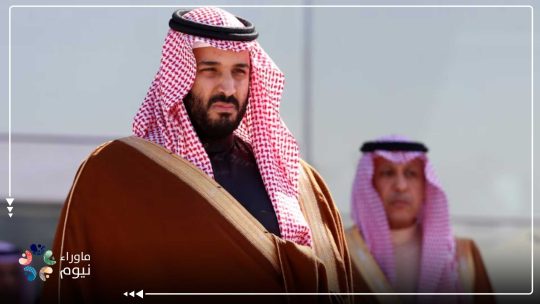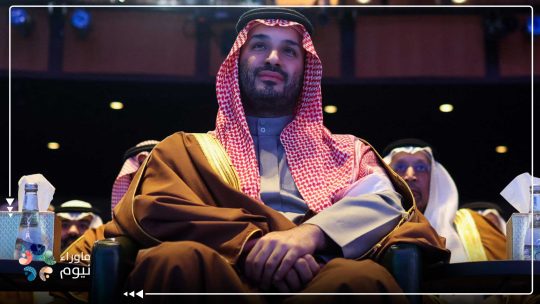

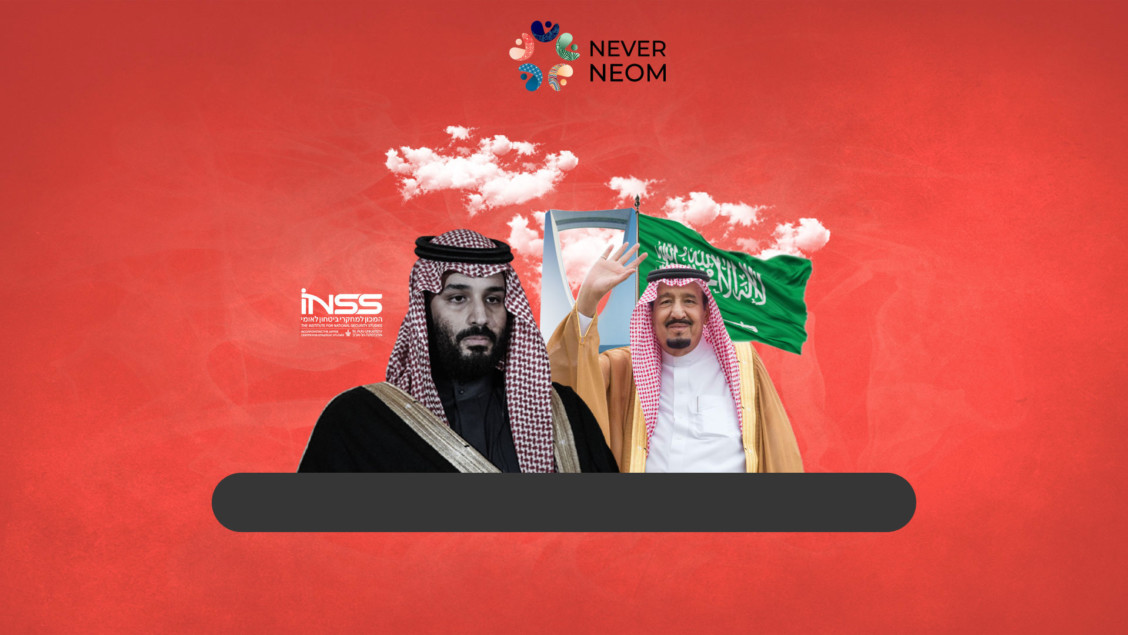
The Institute for National Security Studies (INSS) said that Saudi Arabia may face a leadership crisis upon King Salman’s death especially in light of massive internal opposition to his son.
On Sunday, May 8, the official Saudi news agency reported that King Salman bin Abdulaziz, 86, was hospitalized in Jeddah for tests. The king’s hospitalization comes at a sensitive time, and once again raises concerns and speculations as to the stability of the kingdom when he goes.
For instance, relations with the United States, the central ally for 77 years, are already in crisis. There are quite a few figures in Washington who have not come to terms with the rule of Mohammad bin Salman, the king’s son & heir and defence minister. The feeling in Riyadh is that the US administration no longer considers it a key ally and that at times it acts in a way that runs counter to Saudi essential interests.
The identity of the leader of the conservative kingdom, the largest economy in the Middle East and the guardian of the holy places of Islam, has regional and global importance and direct implications for Israel as well. Israel has a clear interest in both the stability of the kingdom and in its improved its relations with the United States so that it will continue to be part of the pro-American Arab camp. Moreover, it is estimated that bin Salman will show greater pragmatism than his father regarding the relationship between Jerusalem and Riyadh and a willingness for more openess in the relations.
Meanwhile, GTN24 revealed that King Salman suffers a very serious health deterioration amid a total media blackout.
The website quoted a study by Israeli researchers showing that a coup may take place after King Salman’s death, but the current Crown Prince Mohammed bin Salman can control the situation.
According to the research, following the coup, Khalid bin Salman (current Deputy Defense Minister), brother of Mohammed bin Salman, will take power in Saudi Arabia, he will focus on the internal affairs of the Kingdom and withdraw from the war in Yemen.
“What will the Middle East look like in 2030?” An Israeli perspective by three researchers namely Ari Heistein – from the Institute for National Security Studies (INSS), Daniel Rakov – the intelligence officer of the Israeli army, who specializes in intelligence analysis and Yoel Guzansky – a researcher at the Middle East Institute, who specializes in the political and security aspects of the Gulf states, said that the United States would be under pressure after the coup’s assassination of Mohammad bin Salman.
The report noted that Bin Salman did not shy away from using violence to realize his political vision and expressed disgust not only with sheikhs but also with moderate religious figures and women’s rights activists.