
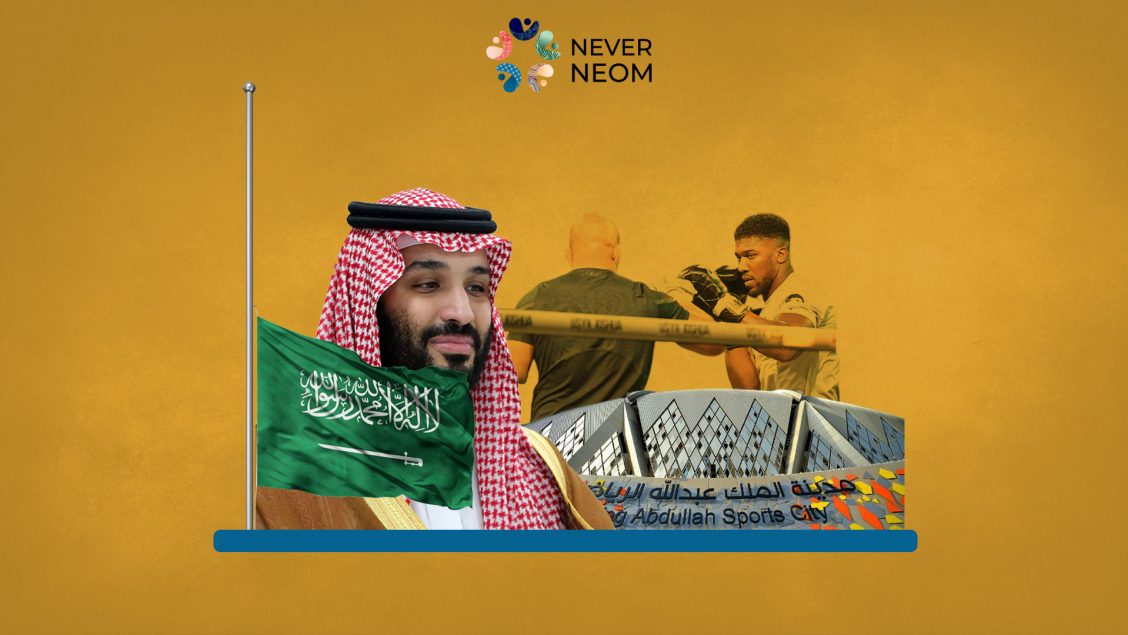
Saudi Arabia has been better known of late for serious human rights violations than sports spectacles. Yet the country is hosting the heavyweight world title boxing rematch between Tyson Fury and the winner of Anthony Joshua against Oleksandr Usyk, with likely millions watching around the world.
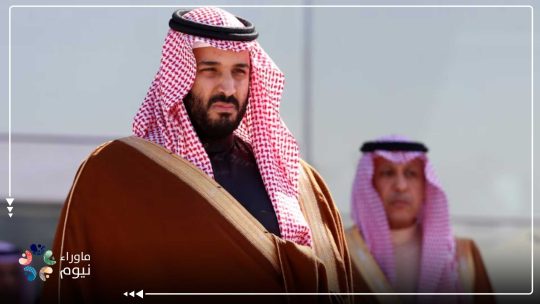
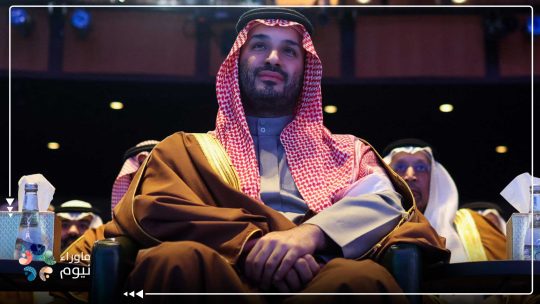
Under Saudi Arabia’s Vision 2030, Saudi Crown Prince Mohammed bin Salman is rolling out ever more entertainment and sporting events, an apparent attempt to “sportswash” away its abusive rights reputation using large-scale events, with highly controlled environments, to show a progressive face of the kingdom.
The Gulf state remains desperate to host the undisputed heavyweight title fight having come so close to landing Joshua against Fury last year.
Skills Challenge Entertainment, a sports and entertainment agency based in Riyadh, have made it their mission to host the fight for all four belts in boxing’s glamour division with the backing of the Ministry of Sport.
There was frustration when the Joshua and Fury deal collapsed after the latter was forced into a third fight with Deontay Wilder. They had paid around £50m ($60m) to host Joshua’s rematch with Andy Ruiz Jnr in December 2019.
It was their first move in their quest to land the undisputed crown clash and they were within a whisker of securing it for a fee of around £127m ($150m). They are keen for the country to become the go to place for major boxing.
Saudi stumped up £67m ($80m) to bring Joshua’s rematch with WBA, IBF and WBO heavyweight champion Usyk to Jeddah. It is an eye-watering sum. To put it into perspective, the record purse bid in boxing for a fight which actually took place was for WBC champion Fury’s April win over Dillian Whyte was £34m.
Saudi will again come with an offer of well over £100m to entice Fury out of his so-called retirement to face either Usyk or Joshua.
Saudi Arabia’s Strategy to Sportswash Abuses
This remains part of Saudi Crown Prince Mohammed bin Salman Vision 2030 ambitions, which is to make the country a sporting giant and bring in more tourism.
But there will be widespread criticism of more boxing going to the country owing to its human rights issues which Joshua was again called out for not criticising this week by Amnesty International. It will also be bad news for British fight fans should it be Joshua against Fury. Inevitably, it will be down to the fighters and teams to decide.
Instead of using sports to rehabilitate its global image, it would be cheaper and easier for Saudi Arabia to simply undertake fundamental human rights reforms and respect the basic rights of its citizens in order to improve its image and standing in the world.
Sportswashing Criticism
Barely one year after Saudi state agents murdered journalist Jamal Khashoggi, Saudi officials are racing to lock in hosting contracts with other major sports federations.
But fans and viewers need to look past the glamour of these events. A recent Human Rights Watch report shows another side of Saudi Arabia, with widespread rights abuses including mass arrests and detention, a crackdown on dissent and free speech, surveillance and hacking, and jailing of the country’s most prominent women’s rights advocates, including Loujain al-Hathloul.
Sponsors, broadcasters, and athletes are affected by sports organizations’ choices to hold major events in countries that don’t respect basic human rights. In January, more than a dozen women drivers will take part in the Dakar Rally, another opportunity to highlight that the Saudi women’s rights activists who fought for and won the right to drive in Saudi Arabia remain banned from travel, on trial or behind bars.
World Wrestling Entertainment (WWE) has grappled with fan anger since its 2014 10-year deal with the Saudi government, and has only recently negotiated for its female stars to be able to wrestle in the kingdom.
Earlier this year, the country’s bid to host an expanded 2022 World Cup failed in part due to human rights concerns. Increased pressure from fans and consumers would help ensure Saudi Arabia’s sports-hosting ambitions also raise the bar for human rights.