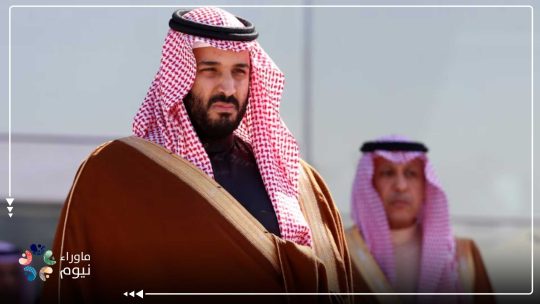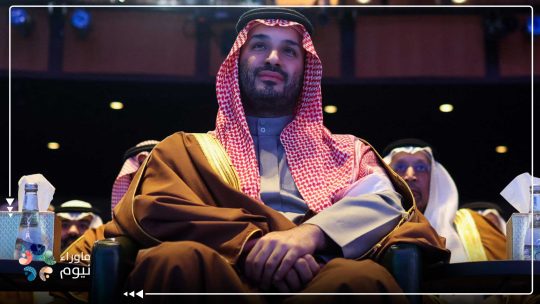

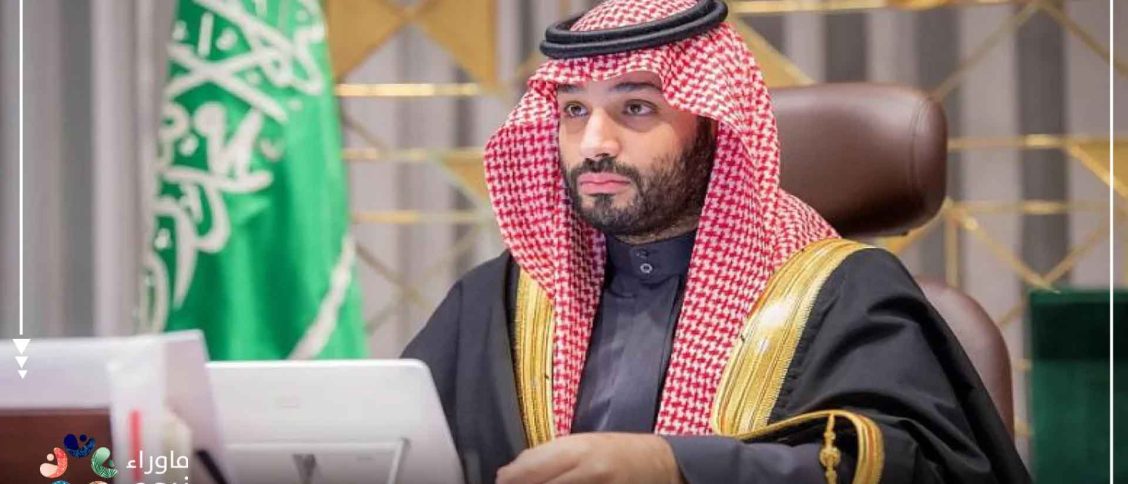
Once known as a kingdom of overflowing oil wealth, Saudi Arabia is now descending into a cycle of mounting debt, economic uncertainty, and financial desperation. Under Crown Prince Mohammed bin Salman’s rule, the kingdom is losing its long-standing image as a cash-rich powerhouse—and instead becoming a regular borrower scrambling to plug growing deficits.
$20 Billion in Debt in Less Than a Year
In a striking development, Saudi Arabia issued $5.5 billion in bonds in August 2025 alone—bringing its total debt issuance for the year to $20 billion, alarmingly close to its record borrowing of $21.5 billion in 2017. Rather than financing new growth or innovation, these debts are used to cover a deepening budget shortfall.
Despite government claims that this borrowing is for “diversification,” analysts say the funds are primarily going toward supporting faltering mega-projects under Vision 2030, covering the massive costs of The Line, Neom, Qiddiya, and other vanity projects that are far from generating returns.
A Kingdom Once Wealthy Now Chained to Oil Prices
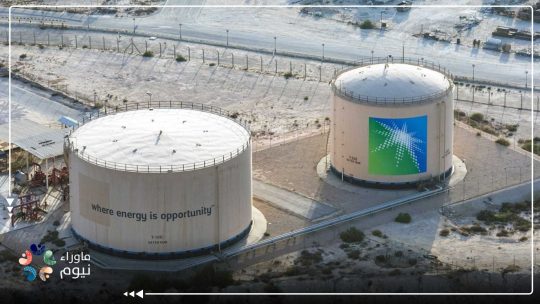
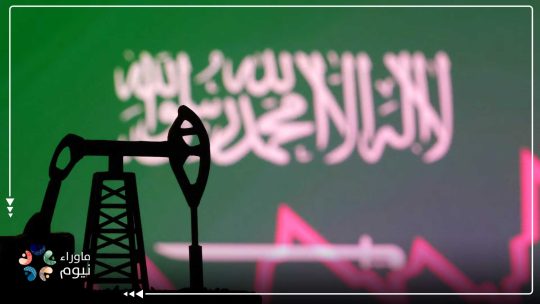
Once proud of avoiding debt thanks to decades of oil surpluses, Saudi Arabia now finds itself cornered. Oil prices have dropped nearly 8% since the start of 2025, falling below the fiscal breakeven point of $81/barrel, reaching just $68—exposing the kingdom’s overdependence on oil and the vulnerability of its entire economic model.
IMF Raises the Alarm
A recent IMF report warns that Saudi Arabia’s debt-to-GDP ratio could skyrocket to 60% by 2030 if a financial shock occurs. Even without a crisis, the ratio is expected to reach 41%. The warning paints a bleak picture of a country increasingly reliant on debt, rather than reform, to sustain its economy.
Vision 2030: A Black Hole of Spending
Launched with great fanfare in 2016, Vision 2030 was marketed as a roadmap to economic diversification. Nearly a decade later, it has become a financial sinkhole. Despite trillions pledged, sectors like tourism and entertainment have failed to deliver the promised revenues. Instead of creating sustainable industries, the projects are draining state resources at an alarming pace.
The People Pay the Price
Every new bond sale means more burdens on Saudi citizens. Taxes have increased, new fees introduced, and talk of an income tax—once unthinkable—is now on the table. Ordinary Saudis are paying the price for the regime’s failed economic gamble and reckless spending.
Sovereign Wealth Fund with No Wealth
The Public Investment Fund (PIF), meant to be the engine of Vision 2030, has invested lavishly in football clubs, gaming companies, and tech ventures—but with little return. Instead of supporting local industries, it has turned into a global PR tool, while the kingdom borrows just to stay afloat.
A Global Image in Decline
For investors and analysts abroad, the image is now clear: Saudi Arabia, once a generous lender to others, is now a borrower trying to hide its economic fragility behind glittering facades. Vision 2030, once seen as bold, is now viewed as bloated, mismanaged, and unsustainable.