
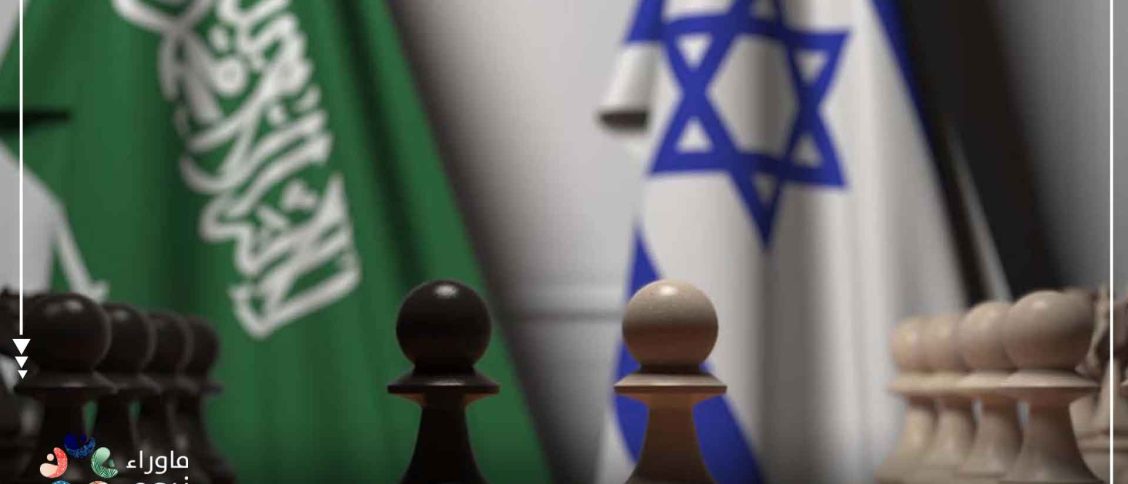
As Gaza lies in ruins and images of devastation dominate global headlines, Israel Hayom has revealed that contacts between the Saudi regime and Israel have continued uninterrupted throughout the war. According to the paper’s sources, the process is “moving slowly but steadily,” signaling that political and military calculations are trumping moral considerations.
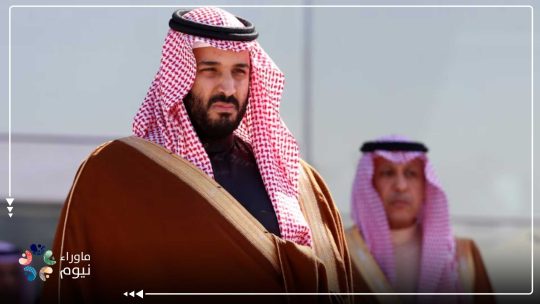
The message is clear: massacres do not stop interests. Palestinian blood has ceased to be a barrier to normalization and has become a marginal detail in the calculus of a new “regional alliance” led by Crown Prince Mohammed bin Salman, fully backed by Washington.
Normalization without Pause
The Israeli daily reports that meetings and communications between Saudi and Israeli officials have not stopped since the beginning of Israel’s assault on Gaza in October 2023. These contacts, according to the paper, continue at security and economic levels under the guise of “cooperation in technology, energy, and cybersecurity.”
Remarkably, this cooperation involves Israeli figures who have previously entered Saudi territory openly — such as researcher Nirit Ofer, who organized the participation of Israeli teams in the 2021 Dakar Rally, brokered commercial deals, and even delivered lectures inside the Kingdom — all while Riyadh was publicly declaring its opposition to any ties with Tel Aviv.
Political and Economic Convergence before Israeli Elections
A senior American diplomat cited by the report stated that the coming year could witness a “major political and economic rapprochement” between the Saudi regime and Israel, particularly ahead of Israel’s upcoming elections. The move aims to secure a diplomatic breakthrough for Washington and its allies.
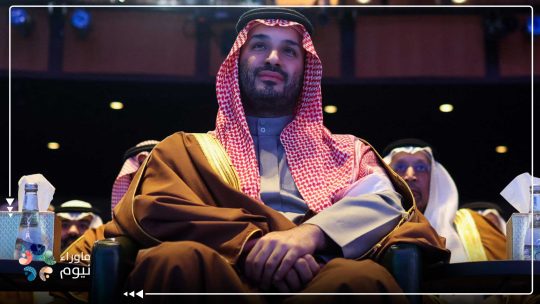
For Mohammed bin Salman, normalization is an opportunity to attract immediate investments and technological partnerships that could breathe life into his faltering Vision 2030 — even if it means cooperating with a regime waging genocide against Palestinians.
A Security Alliance against Iran — and Palestinian Blood on the Sidelines
The same sources note that bin Salman aspires to establish a defensive alliance with Washington that includes Israel under the pretext of “countering Iran and its regional proxies.”
Israel Hayom explicitly claims that the Saudi regime provided field support to Israel during the June 2024 confrontation with Iran by intercepting drones heading toward occupied territory — marking the first direct Saudi military involvement in protecting Israel, though it was never officially acknowledged.
Normalization, therefore, is no longer a matter of quiet diplomacy. It is evolving into a joint military front, placing Riyadh and Tel Aviv side by side against a Muslim country, even as Israel continues its relentless bombardment and starvation campaign in Gaza.
From Dakar Rally to War Rooms
Since 2021, Saudi-Israeli relations have steadily advanced through the gateways of “sports” and “investment,” later extending into the realms of security and defense. The participation of Israeli teams in the Dakar Rally was the first public test, followed by coordination on cybersecurity, energy, and artificial intelligence.
Today, as the Kingdom opens its markets to Israeli technology and defense firms, it is crossing the symbolic red lines that once separated it from full normalization — replacing the rhetoric of “the Palestinian cause” with that of “shared regional interests.”
Hamas as a Pretext — Normalization as the Objective
According to the Hebrew newspaper, the October 7 operation was, from Israel’s perspective, an attempt by Hamas to block normalization with Saudi Arabia. Yet the outcome was the opposite: instead of halting the process, normalization became a postponed — not rejected — agenda, awaiting only the right political timing.
Thus, the war on Gaza has not been an obstacle to normalization but rather a preparatory stage for redrawing regional alliances that ensure Israel’s security while granting Riyadh a seat in the American-Israeli strategic bloc.
The UAE: Open and Ongoing Normalization
The report highlights the United Arab Emirates as the most consistent example of normalization. The UAE maintained direct flights to Ben Gurion Airport even during the war and carried out “humanitarian” projects inside Gaza under its own supervision. No sign of deterioration has been recorded in Abu Dhabi’s relationship with Tel Aviv — suggesting that Gulf governments are entrenching normalization as a permanent reality, even if that means normalization atop the rubble of Gaza.
From Mecca to Tel Aviv: A Coalition Built on Betrayal
These revelations confirm that the Saudi-Israeli track is no longer secret but institutionalized, and that the war on Gaza has not hindered it but rather reframed it under the banner of “regional security” and “countering Iran.”
Meanwhile, the Saudi government continues to project a double narrative — publicly proclaiming solidarity with Palestinians while privately coordinating with their oppressor.
In truth, Vision 2030 has ceased to be a national development plan; it has become a political gateway to Tel Aviv, where technology, energy, and defense are used as convenient justifications for a complete moral and political betrayal.