

In a new blow to the ambitions of Vision 2030, the International Olympic Committee (IOC) has announced the cancellation of its agreement with the Saudi government to host the Esports Olympics in Riyadh — barely a year after signing a contract that was meant to run until 2036.
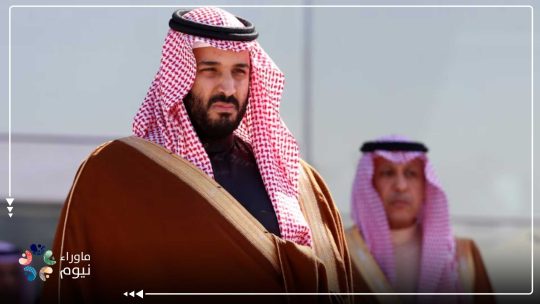
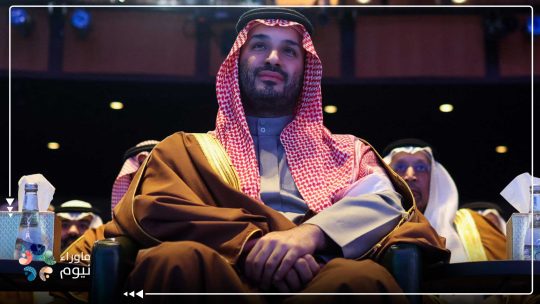
The Associated Press described the decision as an “unprecedented setback” for what was supposed to be the flagship project of Saudi digital entertainment — and a personal bet by Crown Prince Mohammed bin Salman, who repeatedly boasted of transforming the Kingdom into the “global capital of esports.”
A BillionDollar Project Collapses Before It Begins
The agreement, signed in 2024 and backed by over $1 billion in government funding, was meant to make Riyadh the permanent home of the digital Olympics until 2036.
However, the cracks began to appear early: repeated delays of tournaments, withdrawals by international sponsors, and mounting disputes between the IOC and the Saudi Esports Federation — an entity effectively controlled by the Entertainment Authority and the Public Investment Fund.
According to sources cited by the Associated Press, the IOC decided to terminate the agreement due to a lack of financial transparency and direct government interference in technical decisions, in violation of global sports governance standards.
The “Entertainment Vision”: Bleeding Money, Delivering Nothing
The cancellation is not an isolated incident but part of a broader pattern of statefunded entertainment failures.
From the “Six Kings Tennis Tournament,” which offered $13 million in prizes to nearly empty stands, to the Riyadh Comedy Festival, which sparked ethical scandals and human rights criticism, the pattern repeats: extravagant spending, minimal audience, and no sustainable outcome.
Analysts note that this entertainment policy is straining state finances amid a record $65 billion budget deficit in 2025, falling oil prices, and shrinking liquidity within the Public Investment Fund.
Loyalty Over Competence
Observers argue that the root cause of these failures lies not in insufficient funding but in political dominance over every project, where sports and cultural sectors are governed by topdown directives and personal loyalties.
French gaming expert Marc Dupont told L’Équipe:
“The Saudis wanted a global Olympics without a professional international team. Everything was politically driven, not professionally planned.”
While rival countries like South Korea, Japan, and the UAE invest in training local talent and building real tech infrastructure, Saudi Arabia continues to rely on temporary foreign consultancies — projects that collapse the moment those consultants leave.
From NEOM to the Esports Olympics: The Same Story
The cancellation echoes the NEOM fiasco, where major construction firms halted work on The Line five years after launch due to liquidity shortages and diminishing economic feasibility.
The same pattern reappears: massive, flashy announcements followed by quiet collapses.
The difference this time is that the failure was not hidden inside the Kingdom but exposed on the global stage through an institution as prominent as the IOC.
The fallout goes beyond sports: it’s a blow to investor confidence in Saudi Arabia’s technology and creative sectors — core pillars of Vision 2030.
The project was supposed to attract major gaming companies such as Riot Games and EA Sports, but now those firms are expected to reassess the political and bureaucratic risks of operating in Saudi Arabia.
Meanwhile, the Saudi Esports Federation, once showcased as a model of modern organisation, now appears as little more than a propaganda arm subject to state directives.
International Reactions: Global Embarrassment, Domestic Silence
While Saudi media completely ignored the story, The New York Times called the decision “a clear message that money cannot buy sporting legitimacy.”
The Financial Times described the cancellation as “the first true test of Saudi Arabia’s softpower entertainment model,” adding that “the IOC could no longer overlook the opaque governance and human rights issues in Riyadh.”
On social media, players and journalists from South Korea and the United States celebrated the move as “a victory for transparency in sports.”
Inside Saudi Arabia, there was total silence — no official statements, no local coverage. The Entertainment Authority merely recycled old clips of music festivals in a weak attempt to drown out the controversy.
The Fall of the “Subsidised Entertainment Empire”
With each repeated failure, it becomes evident that unlimited spending cannot conceal internal fragility.
What was once sold as a symbol of openness has turned into a mirror of administrative chaos and economic incoherence.
The cancellation of the Esports Olympics is more than the end of a sporting event — it’s the end of an illusion:
that money alone can buy success, or that lavish prizes can purchase international respect.
In the end, global institutions speak a language immune to both coercion and glamour:
governance before propaganda, credibility before spectacle.