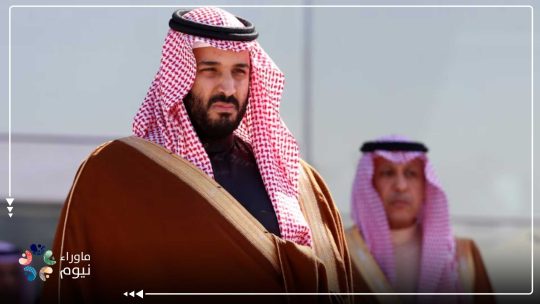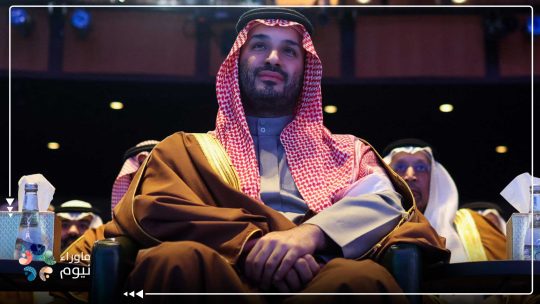


Official data released by Saudi Arabia’s Ministry of Finance has revealed a new record deficit of 88.5 billion riyals in the third quarter of 2025 — the largest since the peak of the COVID-19 pandemic in 2020. This marks the twelfth consecutive quarter of fiscal deficit, a result that experts describe as the outcome of “economic chaos” caused by Crown Prince Mohammed bin Salman’s mismanagement and systematic waste of the country’s wealth.
An Economy Shackled to Oil and Illusory Mega-Projects
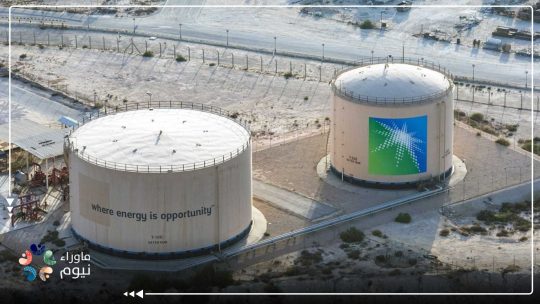
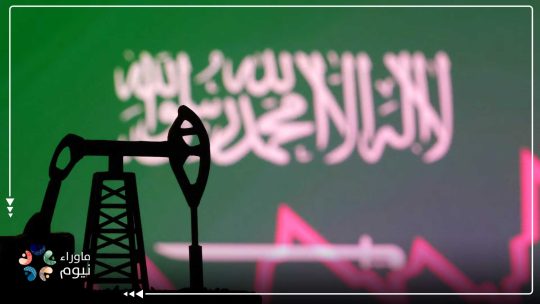
The figures show that total revenues fell to 270 billion riyals, a 13% year-on-year decline, while oil revenues plunged by 21% to 151 billion riyals. Non-oil revenues rose by just 1%, a negligible increase that fails to offset the collapse in oil income — confirming that the much-hyped “economic diversification” under Vision 2030 remains little more than a slogan.
Analysts point out that the worsening deficit is not solely due to global oil price fluctuations, but also to reckless spending and extravagant showcase projects such as NEOM, the Red Sea, and Qiddiya, which consume billions without generating tangible economic returns — all while public services deteriorate and taxes and fees on citizens continue to rise.
Mounting Deficit and Rapid Borrowing
The Ministry of Finance estimates that the annual deficit will reach 245 billion riyals by the end of 2025, more than double previous forecasts — a reflection of collapsing fiscal planning and resource management.
While Finance Minister Mohammed Al-Jadaan insists that “the deficit poses no risk and returns outweigh borrowing costs,” economists view such statements as a deliberate denial of the country’s fragile financial reality — especially amid ballooning public debt, shrinking foreign reserves, and growing dependence on both domestic and foreign borrowing.
Failing Projects and Artificial Prosperity
Instead of investing in genuine development, billions are being wasted on showy entertainment, sports, and tourism projects designed to polish the regime’s image rather than build a sustainable economy.
Analysts have described these policies as a continuous financial hemorrhage, transforming oil wealth into temporary festivals and glossy propaganda, while ordinary Saudis grapple with rising prices, deteriorating services, and limited job opportunities.
The current fiscal outlook shows that Vision 2030 has turned from a reform plan into an economic burden, deepening deficits instead of reducing them and steering the country toward a liquidity crisis amid a total lack of accountability and strategic planning.
Experts warn that if this trajectory continues, Saudi Arabia may soon face an unprecedented domestic financial crisis, with possible credit rating downgrades and higher borrowing costs — threatening both economic and social stability.
Saudi Arabia has now moved beyond mere “mismanagement” into a stage of systematic squandering of national wealth — where failing projects are funded by ever-growing deficits and mounting debt, while citizens are fed hollow promises of a prosperity that never arrives.
With these numbers, the Kingdom is transforming from a once-rich oil state into a model of disguised bankruptcy — an economy run by propaganda, not logic; by impulsive decisions, not strategy; and by excessive luxury at the top while austerity reigns at the bottom.