
In the sixties of last century after World War II, governments brought engineers and architects with high experience to solve the social and developmental population problems, including the Egyptian architectural designer Abdelrahman Makhlouf who designed the structural plan for the cities of the Kingdom of Saudi Arabia (Jeddah – Makkah and Madinah). The same engineer did the same for Abu Dhabi, the capital of the UAE.
Despite the small period during which these Gulf cities were established, they differed in terms of the final exterior and were similar in only one feature; Modernity. The new cities were based on central design, as these cities have become known as “cities of oil modernity”. This idea was initially to help residents and families build private housing. Different means of transportation was introduced as importing cars into those countries was without customs taxes, and the percentage of car ownership in the Gulf countries became the highest in the world.
Given the freedom of movement that was facilitated with the availability of cars and transportation, countries expanded in building cities based on building houses with few floors, which means horizontal expansion. Companies, institutions and families competed in building houses, and then towers until the increase of the buildings became the hallmark of these cities. These factors have turned the Gulf societies into consumers only. The budgets used would have enable factories to be opened, lands to be cultivated, and the state would become a producer and exporter, instead of relying on the consumption only.
Neom is just another consumer city
According to Saudi Crown Prince Mohamed bin Salman, about $500 billion has been allocated to establish the International City of Neom, which is not subject to the Kingdom’s laws or its administrative structure. The city was planned to become the first entertainment city in the world, but would the Saudi government produce the needs of NEOM?
IT WOULD NOT. NEOM is nothing but a new link in the chain of consumption in which the Gulf countries live. Saudi only increased the consumption in the country by pumping billions of dollars -at least in the first stage of the plan- to establish NEOM. All city’s needs ranging from technology to the simplest things are not available in the country, but are all imported from foreign countries.
Instead of building a productive future for Saudi Arabia that would benefit the future generations in employment in various fields of work, Bin Salman followed the same approach of previous rulers by building a new consumer entertainment city.
Diversifying sources of national income
This is the word that the Crown Prince reiterates repeatedly in his talks about his future vision, and despite this, the Crown Prince did not move to establish an industrial or production city that would provide the people with what the government imports to meet their needs, or put in place a plan for ten years of sufficiency and export of certain products. Bin Salman’s government the country have begun to establish new cities that are all based on modern construction, providing entertainment and modernity only, without mentioning anything about establishing of a number of factories, or the horizontal expansion of agriculture for products needed by the country and exporting them to diversify sources of income as he claimed.
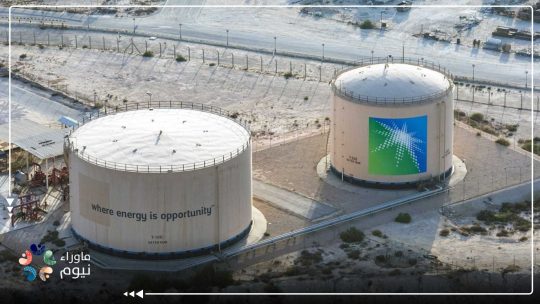
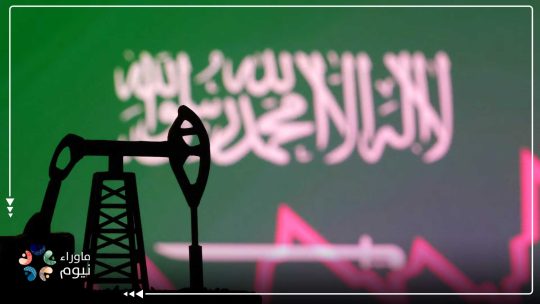
The Kingdom’s crisis, if the Crown Prince was unawareof it, is the complete dependence on oil revenue and its budget, and turning it from fuel that meets the country’s needs in some areas, into a major source of income, and a basic dependence on desalination, air conditioners, and the manufacture of pesticides. If oil ran out, the kingdom would return to the first primitive times.
So how beneficial is NEOM? And how would people benefit from pumping billions of dollars into new consumption city?