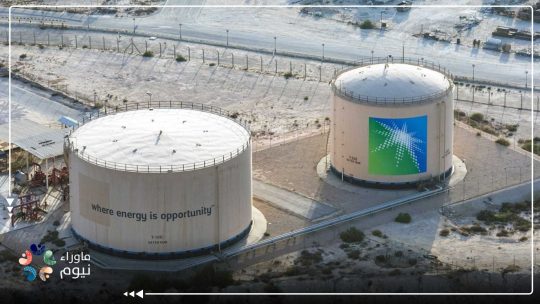


Saudi Aramco—the world’s largest oil company and the backbone of the Kingdom’s economy—is preparing to sell up to five gas-powered electricity plants to raise an estimated $4 billion, according to Reuters. This major shift in Aramco’s strategy is not merely a response to fluctuating oil prices. It exposes a deeper liquidity crisis at the heart of the Saudi state and its crown prince’s costly megaprojects.
Behind the Numbers: Shrinking Profits and Desperate Moves
The reasons for this sell-off are unmistakable:
- A steep drop in Aramco’s profits due to falling oil prices, prompting the company to slash its dividend payouts by one-third.
- An urgent need for fast liquidity to fund massive projects under Vision 2030—like NEOM, The Line, and Qiddiya—which continue to strain the public budget.
- Direct government pressure on Aramco to increase payouts, as the company contributes more than 60% of state revenue.
- A broader strategy to cut costs by offloading non-core assets, including power plants, housing compounds, and pipeline infrastructure.
But the deeper, unspoken question remains:
Is this just a stopgap—or the beginning of a more serious unraveling of the state’s economic core?
A Strategic Shift That Signals Systemic Breakdown
Selling off power stations reveals a chronic financial fragility:
- The Saudi government posted a budget deficit of over $30 billion in 2024—despite Aramco’s massive oil earnings.
- In May, the Kingdom issued $5 billion in bonds and sukuk to cover that shortfall.
And yet, instead of tightening spending, Saudi Arabia continues to pour billions into bloated megaprojects that consume liquidity without delivering immediate returns.
Selling energy infrastructure now is like selling food: a desperate attempt to refill a treasury that’s bleeding dry.
Power Plants Aren’t Just Assets—They’re Strategic Tools
These power stations—roughly 18 in total—are critical to Aramco’s refining operations. Selling them means:
- Aramco relinquishing partial control over its oil-to-energy value chain.
- Introducing external stakeholders who may not align with national strategic goals.
- Turning a critical sector into a market commodity vulnerable to profiteering and privatisation.
So who will control production now? Domestic firms? Foreign governments? And where does the state-owned Saudi Electricity Company fit into this new power dynamic?
The Fallout Could Hit Citizens First
Selling these assets could trigger:
- Higher electricity prices for refineries, which would raise domestic production costs.
- A parallel energy market beyond the national grid, undermining regulatory control.
- A diminished public role in energy governance, empowering private entities without safeguards or transparency.
This paves the way for inefficiency, profiteering, and institutional corruption.
A Quiet Move Toward Systemic Privatisation?
This isn’t just about power plants. Aramco is reportedly preparing to sell off residential compounds, pipelines, and even port infrastructure.
This suggests a wider pattern:
- Selling off state assets piecemeal to cover short-term deficits.
- Transferring ownership of strategic energy infrastructure to private hands—often at questionable value.
- Increasing public debt under the illusion of temporary liquidity—with no long-term development plan in sight.
MBS’s Economy: The Sequel No One Asked For
What we’re witnessing is a repeat of a familiar script: launch extravagant projects, then sell state assets to pay for them.
This is a pivotal moment in Saudi economic history:
- The government learned nothing from the Lady Gaga concert fiasco or other failed spectacles.
- No transparency around sale terms, investor protections, or regulatory accountability.
- No sign of a serious plan to restructure national debt or strengthen the non-oil economy.
Selling such vital infrastructure should involve public debate, legislative scrutiny, and full transparency with both investors and citizens.
Temporary Cash, Long-Term Consequences
This isn’t a solution. It’s an exposure.
- It’s a desperate liquidity grab that momentarily props up the central bank.
- It’s a confession of failed diversification and weak economic planning.
- It’s another blow to the fantasy of a self-sufficient state built on oil and gas while importing everything else—including legitimacy.
What the government calls “economic achievement” in press releases is, in truth, the slow erosion of state capacity. And the cost of that erosion? A future no longer controlled by its people—but sold, piece by piece, to stay afloat.