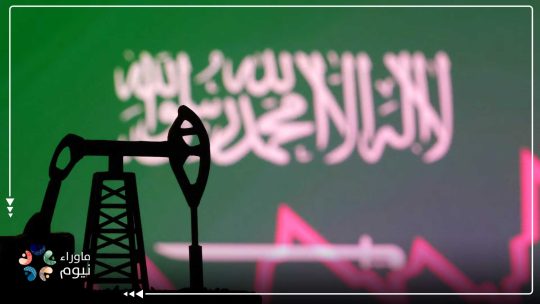

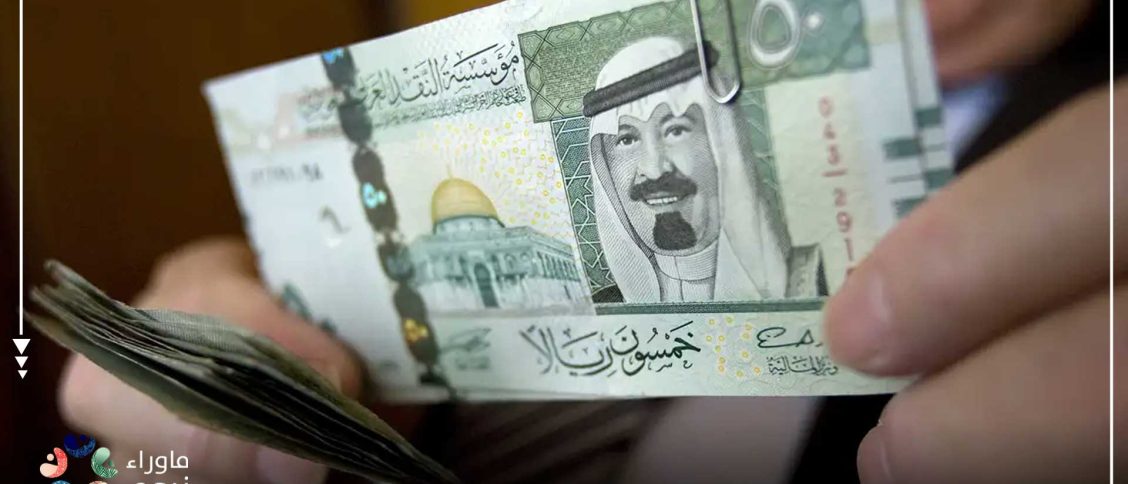
Profits of the Saudi Tadawul Group plummeted to just 96.2 million SAR in Q2 2025, a 20% drop from the previous quarter and a staggering 41.3% decrease compared to the same period in 2024. This is not a routine decline—it is a free fall for a stock exchange that claims to be the largest in the Middle East. This collapse has nothing to do with market fluctuations or seasonal effects; it’s the symptom of a structurally flawed institution, built not to function as a true economic body, but to fabricate paper successes.
Tadawul has become a model of multilayered failure: administrative, regulatory, and reputational. Yet, there is no acknowledgment, no accountability, and no sign of reform. The only response is recycled PR language, repeating the same polished lies.
No Real Market, No Indicators, No Investment
The so-called Saudi financial market does not operate under actual market dynamics. There is no real supply, no organic demand, and no movement driven by real economic forces. Instead, the exchange functions on top-down directives, formal announcements, and ceremonial financial tools understood only by insiders.
How can investor trust exist in a space where:
- Useless financial instruments dominate?
- The exchange operates like a PR office for the regime?
- Local investors are completely shut out?
- Companies are forced into IPOs before they’re ready?
The result: mass investor withdrawal, shrinking trade volumes, and declining revenues, despite the non-stop propaganda.
Rising Costs, Zero Returns
According to Tadawul’s report, operating costs jumped by 15.9%, even as revenues dropped by nearly 10% annually. Such a formula defies economic logic—unless you know you’re protected from scrutiny.
Tadawul keeps expanding services as key indicators shrink. The only outcome is continued draining of public funds and dressing up failure in the language of “development.” The truth is, the economy is eroding from within, and the stock market has lost all core functions.
Faking Success, Distorting Numbers: The Language of Power, Not Finance
In serious financial institutions, reports begin with explanations. In Tadawul’s case, decline is presented as if it were a seasonal cold. There’s no candid language, no concern, no intention to reassess.
Terms like “slight decline” and “recalibration” are used to sugarcoat losses. This isn’t financial analysis—it’s a political performance within a market that’s supposed to uphold transparency.
A Closed Club for the Elite, Not the People
The Saudi citizen constantly told to “invest in the nation” sees nothing but loss. There’s no hedging strategy. No transparency. Laws change in the shadows. IPOs serve political agendas—not market health.
Tadawul has become a private playground for the powerful. Ordinary investors are invited to risk, but given no protection, no oversight, and no rights. Even as value collapses, no one is held accountable—as if the exchange is a family inheritance.
No Governance, No Oversight
Key red flags in regulation:
- No detailed breakdowns of liquidity or its distribution.
- No investigations into the market’s continuous slump.
- No independent committees reviewing company performance.
Everything is managed internally and behind closed doors. No transparency. No justification. No reviews. Such a market doesn’t deserve to be called an “exchange.”
IPO Propaganda and Privatisation as Elite Looting
Initial public offerings have become media events. Companies are listed not for financial readiness but for political proximity. There’s no transparent criterion for inclusion—only power-based favoritism.
Privatising financial institutions without internal reform simply dismantles the public sector and hands it over to an unelected elite.
Collapse of Trust = Collapse of the Future
Tadawul’s numbers this quarter are more than financial data. They are a warning sign of systemic collapse:
- Local investor confidence is vanishing.
- Foreign investor trust erodes with every erratic policy.
- Public belief in the “reform” narrative is slowly but steadily disintegrating.
Worse still, no one is admitting the problem. No public forums, no regulatory reviews, no media debates. Silence is the regime’s chosen strategy to mask repeated failure.
This Is Not a Market. It’s a Cosmetic Platform for Ruin
A 96.2 million SAR quarterly profit isn’t just poor performance—it is an indictment of the entire “national transformation” charade. There’s no real production, no fiscal responsibility, no public participation, and no future roadmap.
Tadawul is not collapsing overnight. It’s collapsing quietly and deliberately, while those in power watch in silence. The greatest danger? No one dares to say it out loud:
The market no longer works. The so-called reforms made the damage worse.