
The illusion of economic transformation in Saudi Arabia is shattering. Behind the flashy headlines of “Vision 2030,” the kingdom is suffocating under the weight of oil addiction, reckless government spending, and a stock market in free fall. The mirage of diversification is evaporating, revealing a system built on media hype, debt, and fragile foundations.
Bloomberg and the Oil Dependency Spiral
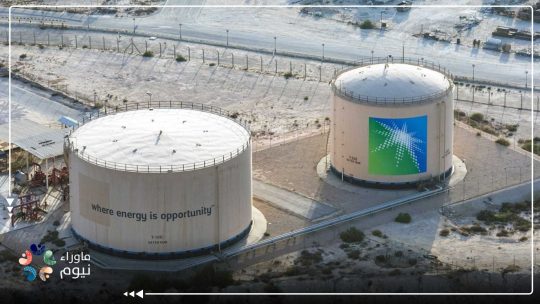
According to Bloomberg, rather than breaking free from oil dependence, Saudi Arabia has become more reliant on oil than it was a decade ago. The kingdom now needs oil prices to stay between $90–$108 per barrel to balance its budget. In reality, the average oil price in 2025 has hovered between $60–$65.
With such a massive fiscal gap, the regime has two options:
- Impose more taxes on citizens already struggling with inflation.
- Borrow endlessly from foreign markets to fuel unsustainable spending.
As Bloomberg analyst Ziad Daoud put it:
“Vision 2030 promised economic independence from oil. Instead, we now see an economy more fragile and exposed to global market shocks.”
Despite grand promises that the Saudi economy would be diversified by 2020, oil still constitutes over 60% of state revenue and nearly 45% of GDP. Vision 2030 has devolved into nothing more than a marketing slogan.
The Stock Market Collapse: From Flagship to Warning Sign
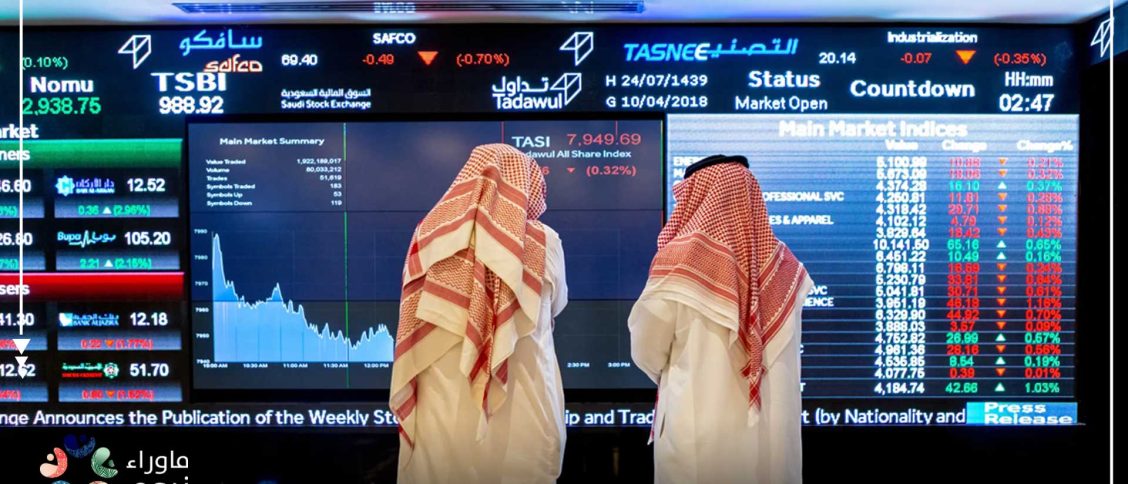
The Financial Times paints an equally grim picture. Once portrayed as a beacon of investor confidence, the Saudi stock market is now one of the world’s worst-performing in 2025.
- IPOs have flopped spectacularly, erasing billions and driving investors out.
- Five Saudi companies ranked among the ten worst performers in the MSCI Emerging Markets Index.
This is not a technical anomaly—it’s a reflection of a deeper truth: the world no longer trusts an economy built on hype instead of production.
“The weakness in the Saudi market is not incidental—it reflects a lack of real economic fundamentals,” analysts told FT.
Showcase Projects and a Black Hole of Debt
Since launching Vision 2030, the Saudi regime has poured trillions of riyals into grandiose projects like NEOM and The Line. But these remain largely fictional—multi-billion-dollar renderings showcased at investment summits.
These projects have become:
- Black holes for public funds.
- Employment deserts for the youth.
- Revenue mirages with no tangible economic return.
With oil revenues declining, the state has resorted to issuing international bonds and draining domestic banks. Liquidity is evaporating, strangling the private sector.
Economist Monica Malik warned:
“The liquidity crunch is starving the private sector while the state absorbs all available financing.”
The Fake Diversification Narrative
Non-oil revenues rose from $50 billion in 2016 to $134 billion in 2024—but government overspending has swallowed every gain.
- VAT has jumped to 15%.
- Subsidies have been slashed, hurting families.
- Most non-oil gains stem from state-driven entities—not true private sector activity.
Citizens Pay the Price
This economic collapse isn’t just theoretical—it hits citizens in the face every day:
- Soaring inflation and skyrocketing costs of living.
- Declining public services.
- Unemployment, especially among youth, despite promises of “mega project jobs.”
Today, Saudis are footing the bill for a debt-fueled economy sold to the world as “reform.”
The Oil Barrel Rules the Kingdom
Despite propaganda about a “post-oil economy,” the truth is that every dip in oil prices pushes Saudi Arabia to the brink of fiscal crisis.
The kingdom has become a gambler—borrowing from the future to fund the present—with no industrial base or production model to fall back on.
Bloomberg concluded:
“Saudi Arabia’s economy remains hostage to oil. The diversification plans are still little more than wishful thinking.”
Debt-Ridden, Hype-Driven: An Unsustainable Model
From the stock market collapse to the debt explosion, all signs point to one reality: Vision 2030 didn’t break oil dependency—it deepened it.
The kingdom now faces two stark choices:
- Radical reform focused on building a real productive economy.
- Or a downward spiral into a debt trap ending in financial and social implosion.
Markets don’t lie. Collapsing stocks, rising debt, and fake diversification aren’t statistics—they’re the obituary of a model that’s sinking under the weight of its own lies.