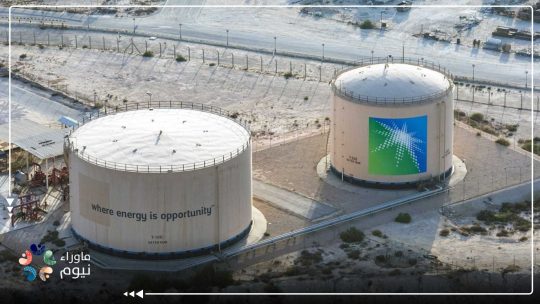

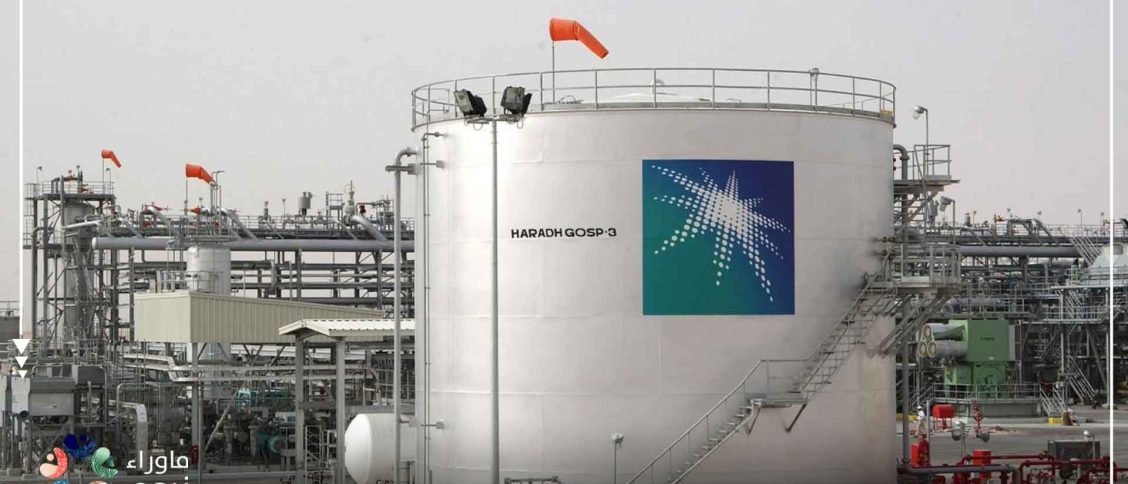
The recent announcement by Saudi-based ACWA Power securing $3.4 billion in financing for two gas-fired combined-cycle power plants in Riyadh and the Eastern Province was widely promoted as a landmark development initiative. However, a closer examination of the deal—its 28-year financing term and the diversity of lenders involved—reveals a far more concerning picture. Rather than a step forward in energy diversification, this move may signal a deepening strategic entrapment into outdated fossil fuel dependency, with significant economic and geopolitical risks looming ahead.
28 Years of Burden: A Long-Term Gamble
The $3.4 billion (12.8 billion SAR) financing is not a short-term loan—it’s a 28-year commitment. With the global energy landscape rapidly shifting toward renewables, it’s uncertain whether these gas plants will remain viable in two or three decades. As electric vehicles replace combustion engines, carbon regulations tighten across Europe, and even China—once the largest importer of fossil fuels—revamps its energy strategy, Saudi Arabia may find itself saddled with costly and obsolete infrastructure.
Diversified Lenders, Fragmented Risk—Or Strategic Entrapment?
The financing package involves a wide array of lenders: the Export-Import Bank of Korea (KEXIM), major Saudi banks, Chinese institutions like the Agricultural Bank and the Industrial and Commercial Bank of China (ICBC), and the Arab Petroleum Investments Corporation (APICORP).
On the surface, this signals international confidence. In reality, it disperses financial risk across a web of global creditors. Any future default or delay in repayment would ripple beyond Saudi borders, escalating political and financial pressure on the kingdom. The growing involvement of Chinese banks is particularly noteworthy, hinting at a long-term strategic leverage being built by Beijing in the Gulf energy sector.
Energy Security or Resource Drain?
Supporters claim the deal strengthens Saudi Arabia’s energy security amid growing electricity demand. But this demand spike is largely driven by wasteful expansion in entertainment and megaprojects like NEOM and the Red Sea project, not necessity. Rather than investing in efficiency and renewables—areas where the kingdom holds massive untapped potential—the government is pouring billions into gas infrastructure with a limited lifespan.
This isn’t just financially inefficient. It’s strategically self-defeating. By locking funds into gas instead of scaling solar or wind, Saudi Arabia risks being left behind as the world moves forward.
China’s Expanding Grip
The involvement of Chinese banks is no coincidence. Beijing’s financial institutions have become key players in Saudi infrastructure, potentially positioning China as a powerful behind-the-scenes influencer. This aligns with China’s strategy elsewhere—using debt to gain leverage in Africa and Latin America. With ACWA’s project, Saudi Arabia risks ceding long-term financial and political influence to an increasingly assertive China.
Key Risks
- Long-term Debt Pressure: The 28-year repayment schedule burdens future generations and limits budget flexibility.
- Delayed Renewable Investment: Gas project funding sidelines solar and wind initiatives.
- Commercial Viability Risk: Falling costs of renewables could make gas plants uncompetitive—turning them into “stranded assets.”
- Social Fallout: Budget pressures could trigger new taxes or subsidy cuts, sparking internal unrest.
Strategic Straitjacket or Ticking Time Bomb?
ACWA Power’s gas megadeal is sold as an energy security project, but in reality, it ties the kingdom to decades of debt and fossil fuel reliance—just as the world moves beyond both. This is not an investment in the future. It’s a high-stakes political and economic gamble that may one day explode in the kingdom’s face.
The official ambition may be to “lead the energy transition.” But this deal reveals a darker truth: Saudi Arabia is being dragged backward, shackled to oil and gas in a world racing ahead.