
The International Energy Agency’s (IEA) recent warning about a looming “significant surplus” in the oil market was far from a technical forecast—it was a strategic alarm that underscores the scale of risks threatening global economic stability. At the heart of this crisis is Saudi Arabia. Once seen as the guarantor of energy market stability, the kingdom is now driving a major disruption by flooding the market with oil at a time when global demand is sharply declining.
This contradiction between economic realities and Riyadh’s political ambitions exposes a reckless gamble, where oil is weaponized as a geopolitical tool—even if it means collapsing prices and triggering a global financial shock that extends far beyond the energy sector.
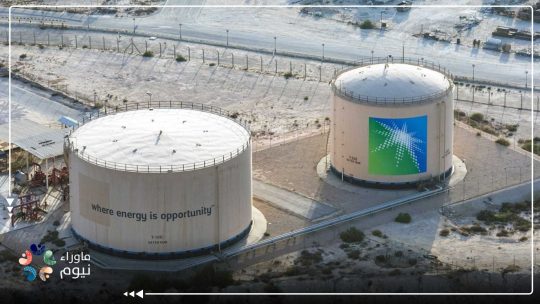
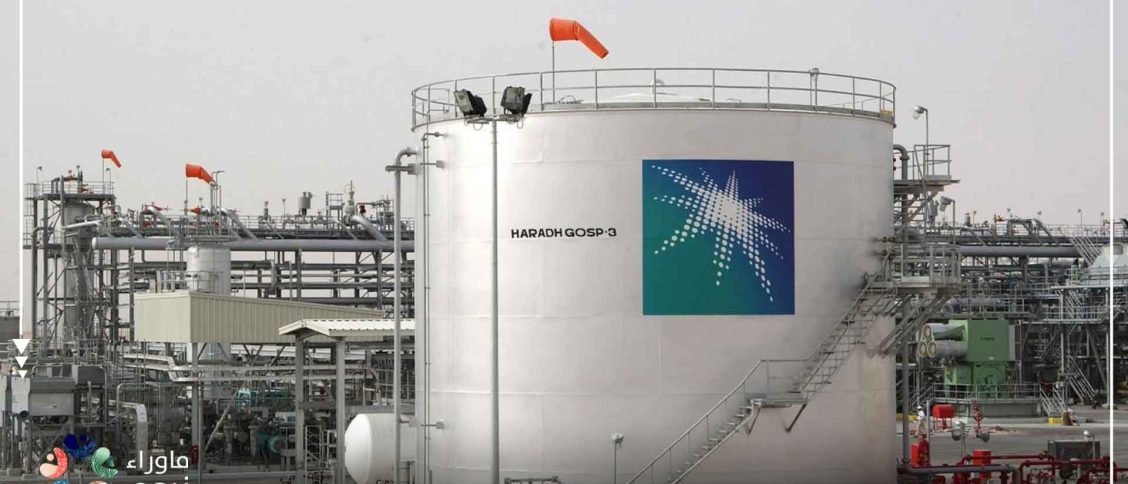
Saudi Arabia Keeps Pumping While Demand Falters
A Financial Times report echoed the IEA’s concern: rising oil output—led by Saudi Arabia—clashes with weakening demand. The causes are clear: China’s economic slowdown, Europe’s industrial stagnation, Western inflation-driven austerity, and a rapid global transition toward clean energy.
Despite these headwinds, Saudi Arabia continues to open the taps. This isn’t economic logic—it’s political will: a forceful attempt to dominate the energy equation, even if it crashes the market.
Between OPEC+ and the Power Game
For years, Saudi Arabia has sought to cement its role as the main price-setter through the OPEC+ alliance. But internal tensions—especially with Russia—have pushed Riyadh into a strategy of brinkmanship: raising output to pressure rivals and defend market share against U.S. shale oil producers.
But this is a race to the bottom. Every extra barrel risks pushing prices lower, threatening the kingdom’s own revenue streams that fund both its economy and grandiose Vision 2030 projects.
A Vision at Odds with Itself
The irony is glaring. While Saudi Arabia claims to be diversifying its economy and moving beyond oil dependency, it’s doubling down on pumping more barrels. This reveals not only a lack of viable economic alternatives, but also a fragile “vision” still chained to oil.
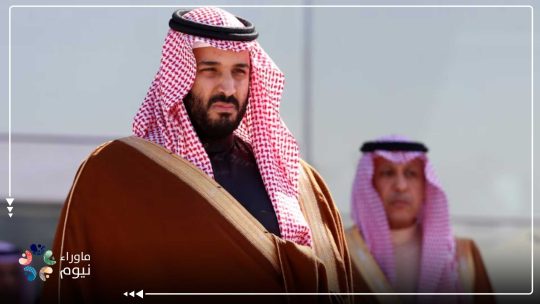
Crown Prince Mohammed bin Salman’s futuristic ambitions—like the NEOM mega-city—rely on vast oil revenues. If prices plummet, these projects become empty dreams hanging in midair.
The World Is Moving On
The global energy map is changing fast. Electric vehicles are on the rise. Europe is enforcing climate laws. Even China is accelerating its green transition.
Against this tide, Saudi Arabia’s insistence on oil dominance looks like denial. Demand is shrinking, and the race for market share is becoming a losing game.
Global Economic Implications
- Price Collapse: Oversupply could lead to a repeat of the 2014 and 2020 oil crashes, wreaking havoc on oil-dependent economies.
- Pressure on Gulf Budgets: Despite recent surpluses, Gulf states still rely heavily on oil revenues. A drop in prices could open up painful budget deficits.
- Faster Shift to Renewables: Oversaturation could push major powers to double down on clean energy investment, accelerating the exit from oil.
- Domestic Unrest: Falling revenues may force the Saudi government to cut subsidies and raise taxes—risking social tensions.
A Recipe for Crisis
The IEA’s warning is not just a statistic—it’s a message: the world is heading into a dangerous oil glut, driven by Saudi Arabia’s relentless output in a fragile market.
This isn’t smart strategy—it’s a blueprint for disaster. A country that once projected itself as a stabilizing force is now steering toward economic and geopolitical chaos, betting on short-term power at the cost of long-term collapse.
Oil is no longer a guaranteed strength. It’s becoming a burden. And those who cling to it as a weapon of dominance may well be drafting their own political and economic bankruptcy.