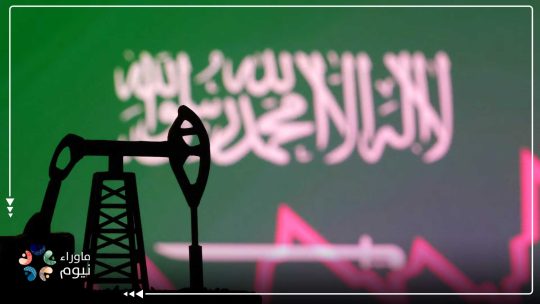

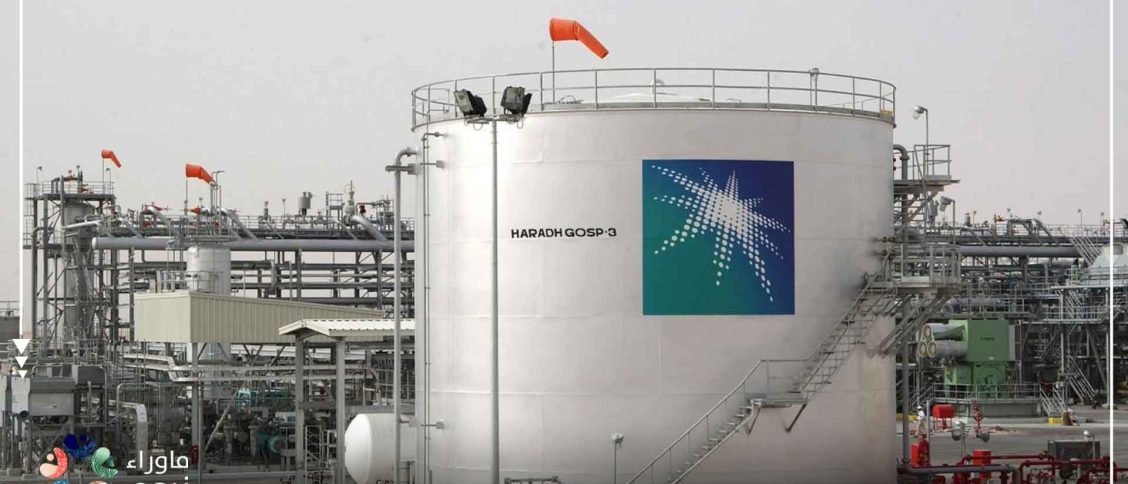
In 2019, the Saudi regime believed it had secured its financial future with the historic IPO of Aramco. Yet today, the numbers tell a different story. The company’s stock now trades at 23.51 SAR—its lowest level since going public, even lower than the pandemic crash in March 2020 when it dropped to 23.97 SAR. This isn’t a routine market fluctuation; it’s a warning sign that the very foundation of Vision 2030 is crumbling. Once hailed as Saudi Arabia’s financial powerhouse, Aramco now serves as a mirror reflecting the fragility of the kingdom’s economy and the weakness of a vision built on sand.
From Crown Jewel to National Liability
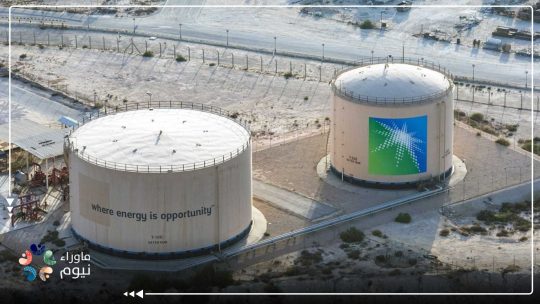
Aramco was marketed as the “crown jewel” of the kingdom. The IPO was portrayed as the achievement of the century, with massive PR campaigns aimed at attracting global attention. But the truth could not be hidden: the Saudi economy remains chained to oil. Any drop in global demand or crude prices reverberates through Aramco’s profits—and by extension, the national budget. Today’s stock collapse reveals that the “crown jewel” is dragging down with it the mirage of transformation promised by Vision 2030.
Vision 2030 Falls With the Stock
Vision 2030 was built on the assumption that Aramco would be an inexhaustible financial artery for the Public Investment Fund (PIF), fueling grand projects like Neom, The Line, and Qiddiya. But in reality, the PIF is showing near-zero returns, megaprojects are being delayed or scaled down, and Aramco dividends have become the last lifeline. Now that this lifeline is unraveling, the regime stands exposed: no diversification, no economic independence—just a deepening dependence on black gold.
The PIF’s Investment Crisis
The Public Investment Fund, intended to spearhead economic transformation, is now trapped. It relies heavily on Aramco profits to survive, but the company’s falling value undermines its entire portfolio. How can a fund with near-zero returns in 2024 continue pumping billions into flashy projects while its main revenue source is plummeting? The likely outcomes: more borrowing, depletion of foreign reserves, and increased taxation to shift the burden of failure onto ordinary Saudis.
The Citizens Will Pay the Price
Aramco’s collapse is not just a corporate concern—it will directly impact people’s lives. As stock values drop, state revenues shrink, and the appetite for imposing new taxes grows. What began with VAT and white land fees now threatens to expand into a new wave of indirect levies. The citizen, once promised prosperity, is now left financing a failed economic vision through shrinking wallets.
An International Image in Decline
The crash has also damaged Saudi Arabia’s image abroad. With Aramco’s value hitting record lows, global investors are questioning the credibility of an economy promoted as a world-class investment hub. This is more than a market loss; it is a collapse of international confidence in Saudi economic reform. A vision once pitched as genius is now becoming a cautionary tale: how can a future-proof vision collapse with its biggest symbol?
A Political Burden for MBS
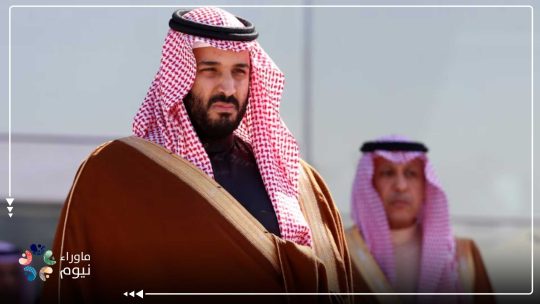
Aramco is no longer just an oil company—it has become a political thermometer. Each drop in share price is a blow to the Crown Prince’s credibility. It exposes the gap between his reformist rhetoric and economic reality. The regime can no longer explain to citizens—or the world—how the “greatest success” of Vision 2030 is crumbling at such a pace. The stock is no longer just a financial indicator, but a measure of the regime’s failure.
Despite ongoing propaganda about futuristic cities and mega-deals, the harsh truth is out: the kingdom’s economic engine is failing. Investors are watching their wealth disappear, citizens are watching their incomes shrink, and the world is watching Aramco fall.
Aramco’s Collapse = Vision 2030’s Death Certificate
The 23.51 SAR stock price is not just a statistic—it’s the death certificate for the regime’s bet that Aramco would power its economic rebirth. What was meant to be a pillar of strength is now exposing a shaky foundation. The Saudi economy is still shackled to oil, and the slogans of “diversification” and “independence” are proving to be illusions.
With every new drop in Aramco’s value, the mask of reform slips further. Vision 2030 is increasingly seen not as a strategy, but a reckless gamble—one that is burning through public wealth and buying the regime time at the people’s expense.