
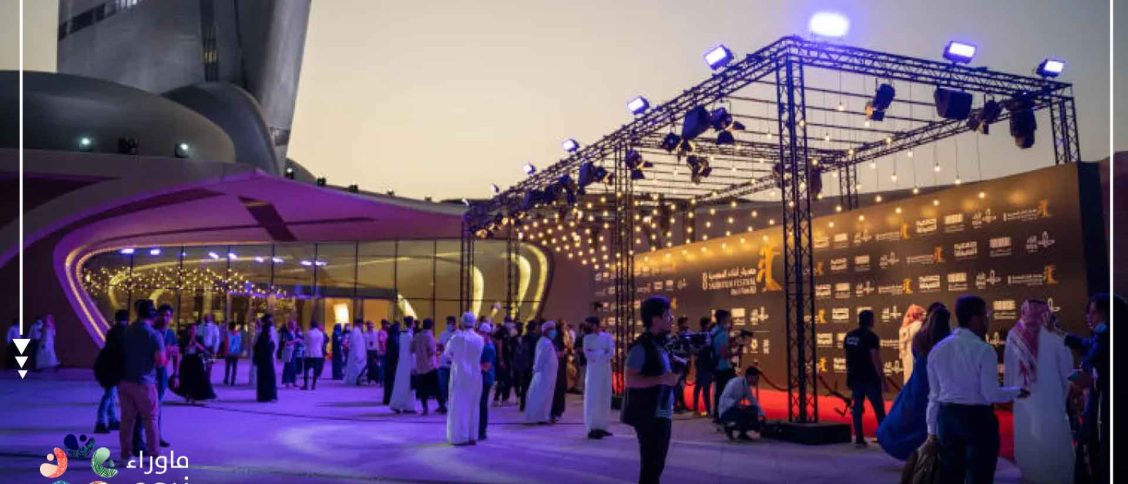
At the end of September, Riyadh lights up for what is being promoted as “the biggest comedy festival in the world,” featuring global stars such as Dave Chappelle, Kevin Hart, and Bill Burr. The festival is funded by the Saudi government and operated by the General Entertainment Authority. But the laughter echoing through the stage does not drown out the screams of those imprisoned for speaking their minds, nor does it wash away the blood of executed journalists and detained dissidents. Human Rights Watch has urged artists not to be part of what it calls a “reputation laundering economy,” where international events serve as a smokescreen for ongoing crimes against freedoms and rights.
The Glittering Facade
Superficially, the festival appears to be a dazzling cultural event—big names, daily shows, workshops, family-friendly activities, and massive billboards marketing Saudi Arabia as a culturally vibrant and open country. Official narratives promote entertainment as a key to “quality of life” and international prestige.
But this shiny surface dims when one looks beneath: thousands detained, laws muzzling free speech, executions of journalists, travel bans, and intimidation of activists—none of which will be spotlighted on that same stage.
A Moral Call to Artists
Human Rights Watch has called on participating stars to take a stance: either boycott the festival or use their platform to speak up against ongoing abuses. Researcher Joey Shea highlighted how government investments in entertainment and sports are being used to “distract” from state-perpetrated atrocities, especially the rise in executions.
The louder the government-funded shows, the more the real voices are silenced. The bigger the contracts, the harder it becomes for art to remain true to its essence. That’s why activists insist that artists and comedians must not become clapping props, but conscience-driven voices.
Conditional Comedy
Artists signing up for the event know the implicit rules: no critique of Saudi policies, no jokes about religion or leadership. The organiser is the government itself—the same one behind the silencing of dissent.
Yes, there will be laughter. But justice will remain gagged. Silent participation here is not artistic freedom; it is forced complicity.
This is not a one-time act. It is part of a series of well-funded “openness” campaigns—each accompanied by more arrests, disappearances, and media control. Culture is showcased to the world, while rights remain behind the curtain. When questioned, officials claim that “reforms are coming,” but the core of repression remains intact.
Art Is Not Worth the Price of Blood
This upcoming comedy festival is not just an entertainment gig. It is a moral test. Artists who show up silently are not embodying art or free expression—they are becoming tools of a machinery that masks repression with lights and laughter. But those who use their voices to speak for the voiceless—to honour victims and demand freedoms—are the real artists. They are the voices that cannot be bought or silenced.
“When laughter is buried under silence, comedy ceases to be art and becomes a background soundtrack to crimes.”