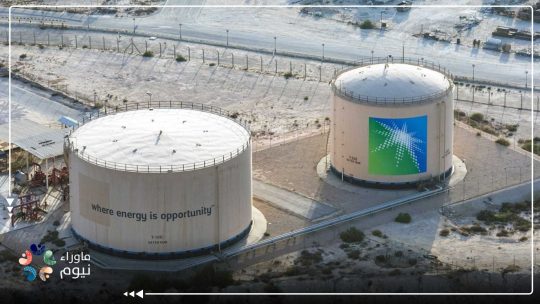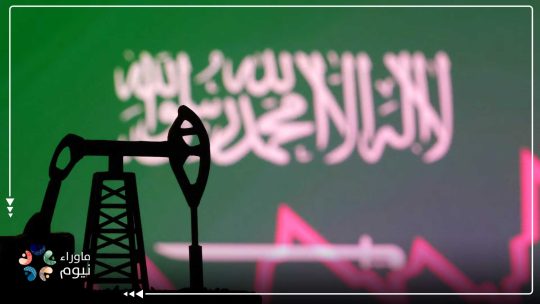

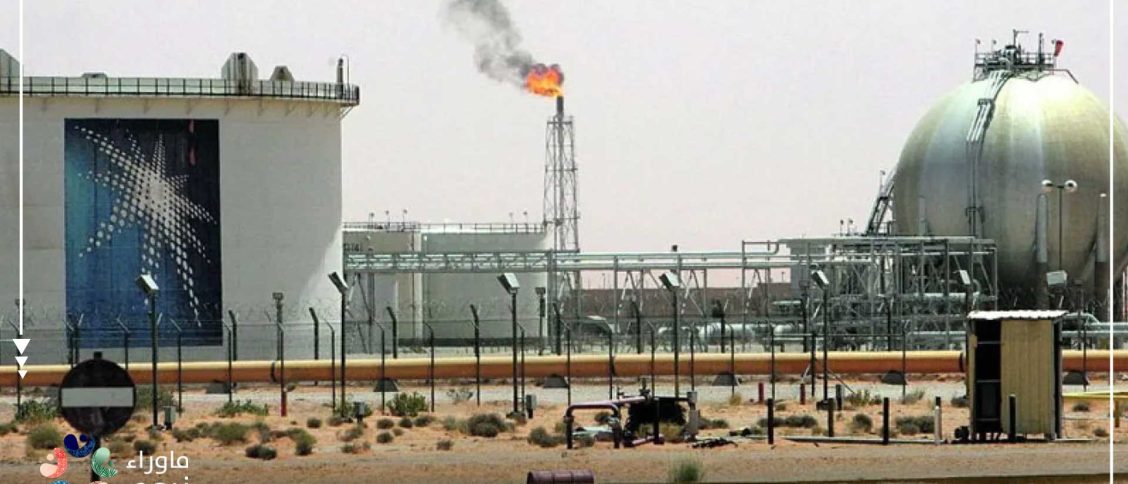
OPEC+ is preparing to announce a new increase in oil production in the coming weeks, according to sources cited by Reuters. But behind the scenes, the move signals more than just technical adjustments. It reflects a growing rift between Saudi Arabia and Russia — a clash over the last remaining levers of influence in a teetering oil market.
Riyadh is pushing for a major output hike under the pretext of “regaining market share,” while Moscow prefers only a minimal increase to avoid further price collapses — and because it’s already constrained by Western sanctions. The likely outcome? Another wave of internal tensions within the alliance, exposing how Mohammed bin Salman has lost the strategic oil compass that gave the Kingdom global clout for decades.
From Market Leader to Desperate Seller
Not long ago, Saudi Arabia prided itself on being OPEC’s “swing producer,” capable of stabilising global markets with a single decision. Today, the regime is acting like a cash-strapped debtor scrambling for every extra dollar.
The Ministry of Finance recently revised the projected 2025 budget deficit to 5.3% of GDP, up from a previous estimate of 2.3%. The reason is clear: reckless spending on vanity projects with no return, and historically low real oil prices.
MBS is not seeking market stability — he’s chasing quick liquidity. This production boost is not a strategic manoeuvre; it’s a short-term gamble to buy time before a larger financial collapse unfolds. Instead of fulfilling Vision 2030’s promise to diversify the economy, the regime is back to clinging to the very oil barrel it claimed it would escape.
Oil Numbers, Real Pain
While nominal oil prices may seem stable, that’s a dangerous illusion. Adjusted for inflation, West Texas Intermediate (WTI) oil averages $66 per barrel today — equal to $50 in 2020 terms, or $29 in 1995 value. Oil is historically cheap in terms of purchasing power, and more supply won’t guarantee higher revenues — quite the opposite.
In a sluggish global demand environment (especially in China and Europe), more supply means lower prices. Saudi Arabia’s attempt to win back market share could mean selling more to lose more — the same pattern defining its economic decisions in recent years: spending without returns, followed by squeezing citizens with taxes and fees.
Russia and Saudi Arabia: Cracks in the Alliance
Since OPEC+ was founded in 2016, Saudi–Russian coordination has been the stabilising backbone of the oil market. But this relationship is fraying — worsened by the Ukraine war and sanctions on Moscow.
Russia, selling at discounted rates to Asia, has no interest in even lower prices. MBS, meanwhile, is desperate to regain lost ground to new producers in the U.S., Brazil, and Canada.
At its core, Riyadh is now trying to hijack OPEC+ to serve its own fragile interests, while Moscow sees this as a threat to the group’s survival. With disagreements intensifying over the size and timing of output increases, the alliance is quietly eroding — a casualty of MBS’s economic delusions.
Oil as a PR Tool, Not Strategy
Under MBS, oil has morphed from a strategic asset to a propaganda weapon. Every OPEC+ meeting is marketed as a “Saudi leadership” moment, yet reality tells a different story — of diminished influence and growing market distrust.
Flip-flopping policies — cuts, increases, then cuts again — have shaken investor confidence. Even OPEC+ partners now interpret Saudi decisions as desperate reactions to internal crises rather than coherent plans.
In short, Saudi Arabia is no longer a market leader — it’s a panicked trader, burning through its credibility in an attempt to keep the illusion of strength.
Vision 2030 on Life Support
Another output boost sends one unmistakable signal: Vision 2030 has failed to free the Kingdom from oil dependency.
Despite all the PR campaigns and overseas investments, the regime is right back where it started — banking everything on oil. Worse, the alternatives once marketed as “the future” — Neom, renewables, entertainment — have become massive financial drains.
Oil, which was supposed to bridge Saudi Arabia to a new economy, has become the shackle preventing any real reform. The lower its price falls, the greater the regime’s panic — prompting even more production, digging the fiscal hole deeper. A vicious cycle of denial and deficit.
Deficit Threatens Neom and PIF Projects
The likely price drop following the supply hike will hit MBS’s flagship projects directly — especially Neom and those backed by the Public Investment Fund (PIF). These depend on massive government funding fueled by oil surpluses. As revenues dry up, the state will struggle to cover commitments without further borrowing or asset sales.
PIF, which has already lost billions on ventures like LIV Golf and Lucid Motors, survives on public cash infusions. Any oil revenue dip turns it into a liability, not a solution. Neom, billed as a “city of the future,” may soon become a monument to financial and political failure, as external investors flee and internal liquidity evaporates.
Every extra barrel pumped now doesn’t fill the treasury — it accelerates its bleeding. More supply will crash prices further, pulling MBS’s vanity projects down with each lost dollar.
Politics Over National Interest
Riyadh’s oil decisions are no longer economic — they are political theatre. MBS wants to project power amid mounting global criticism for human rights abuses and fiscal instability.
Raising production gives him a moment of perceived leadership — even if it causes further revenue loss. It’s the same “image-first” logic seen in his sports, entertainment, and arms deals.
One More Barrel, One Step Closer to the Edge
This expected oil production hike is not a policy — it’s a distress signal from a regime buckling under its own financial weight.
As Saudi Arabia chases market share, its reserves dwindle, Vision 2030 drowns in debt, and prestige projects falter.
Each new barrel will sell for less. Each dollar earned will vanish in another showy, hollow venture.
The oil that once built a kingdom now testifies to MBS’s failure to protect it.
And in the distance, a truth the regime refuses to face grows clearer:
More oil no longer means more power — it means a deeper plunge into the abyss.