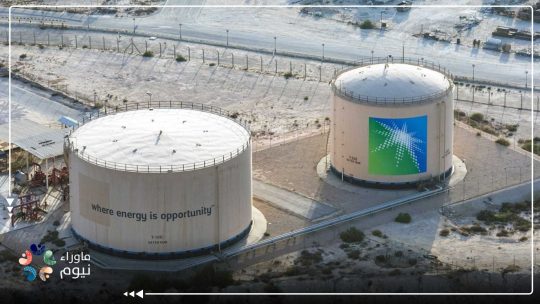

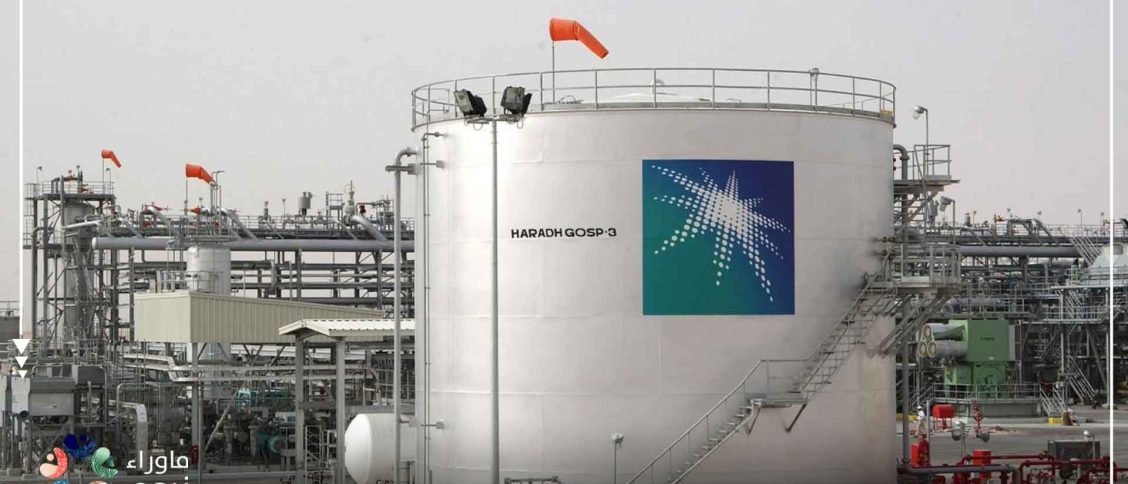
Extending contracts in the energy sector is no longer a routine operational move—it’s now a direct reflection of Saudi Arabia’s growing economic dependence on global oil giants. The Arab Drilling Company’s announcement of extending contracts for 11 gas rigs with U.S. firm SLB (formerly Schlumberger) is not a neutral event. It’s a clear signal that a strategic sector like natural gas remains hostage to foreign companies. Cloaked in the language of “stability” and “revenue assurance,” the deal raises painful questions about the independence of Saudi economic policy and its failure to build indigenous drilling technology.
Gas: An Economic Lifeline Under American Control
The deal accounts for 15–20% of Arab Drilling’s projected 2024 revenue, and SLB owns a significant 34.3% of the company’s shares—making it not just a contractor, but a major shareholder with a seat in the financial control room. What’s marketed internally as “technical cooperation” is effectively a renewal of monopolistic control—granting Washington both profits and power over production.
The risk deepens when one considers Saudi Arabia’s strategic plan to rely on unconventional gas as a partial substitute for oil by 2030. Any disruption in these contracts or political friction with the U.S. could cripple this transition and leave the kingdom at the mercy of imported technology.
Turnkey Contracts: Short-Term Comfort, Long-Term Risk
The deal uses the LSTK (Lump Sum Turnkey) model, where the American company designs, executes, and operates the project for a fixed price. Though it promises “financial predictability,” it limits genuine technology transfer. SLB delivers the project fully completed, leaving local capabilities stagnant.
In simple terms: Saudi Arabia pays, Americans drill, and the country is left with platforms that will depend on foreign maintenance and service for years to come. This isn’t partnership—it’s dependency, wrapped in modern packaging.
Political Cover Disguised as Economic Logic
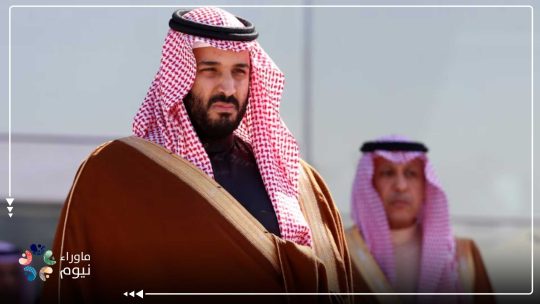
The timing is no coincidence. Crown Prince Mohammed bin Salman is preparing for a high-profile visit to Washington and a meeting with Trump in November. Deals like this serve as political credentials. The message to Washington: “We’re securing billions for your corporations—what will you give us in return?”
Thus, these contracts are not just economic decisions—they’re bargaining chips in a broader trade: political protection and international backing in exchange for opening Saudi markets to U.S. control.
Is Saudi Gas Sovereignty an Illusion?
Defenders of the deal argue SLB’s advanced technology is irreplaceable. But why, after decades and trillions spent on mega-projects like NEOM and entertainment festivals, hasn’t Saudi Arabia invested in developing its own drilling technology?
Instead of building local innovation, the kingdom celebrates its reliance on a foreign company to operate 11 rigs—as if that’s a success.
Between Revenue and Control: Who’s Winning?
The official statement highlights “stable revenues,” but the truth is this: SLB, with over a third of the shares, benefits from every dollar made—whether through contracts or dividends.
Gas rigs are no longer national assets—they are foreign-funded profit machines. Saudi Arabia pays twice: once in contract value, and again in profit redistribution.
Behind the Glossy Headlines: A Structural Crisis
The announcement is coated in buzzwords like “business stability” and “energy transition.” But the reality is fragile—stability that depends on the goodwill of a foreign partner. One contractual dispute or political fallout could stall gas production entirely.
Worse still, these are one-year contracts. How can an energy transition project be built on such short-term foundations? Where is the 10- or 20-year strategy that a sector this vital demands?
Workers in Europe Protest—Who Will Speak Up in Saudi?
Across Europe, dockworkers have refused to load Saudi ships carrying weapons to Israel or the UAE. They recognize their role in complicity. But who in Saudi Arabia can question contracts that hand over national gas operations to an American company?
Under a repressive regime, domestic criticism is nearly impossible. But the accumulation of dependency will eventually erupt—politically or socially—especially if these deals fail to deliver real benefits.
Behind the Numbers: A Hidden Scandal
On the surface, this might seem like just another economic deal. But it’s a scandal. A country with enormous wealth and ambitions under Vision 2030 still cannot operate its gas platforms without a yearly contract with a U.S. firm.
What kind of “modernization” or “economic independence” can exist under these terms?
Fake Stability, Renewed Dependency
The regime will keep boasting that extending these 11 gas rig contracts with SLB is a “major step for revenue stability.” But behind these soothing words lies a harsh truth: stability based on foreign dependence is not stability—it’s another chain around the neck of national sovereignty.
Saudi Arabia doesn’t need more turnkey deals. It needs to break the locks that keep its strategic sectors in American hands. Without building real local capacity, every new gas platform will serve as a monument to Saudi Arabia’s failure to liberate itself from U.S. control.